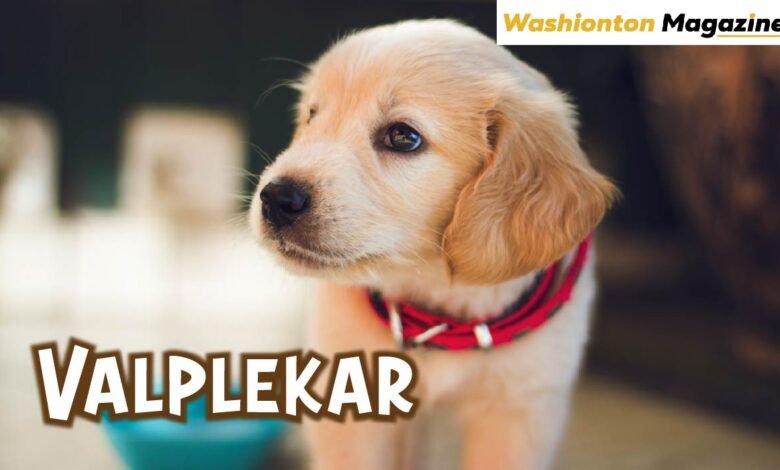
Valplekar is a Swedish word that translates to “puppy play.” The term describes the natural playful interactions between young dogs during early development. These playful behaviors include chasing, gentle wrestling, exploring, and toy interaction. Such activities support physical growth, emotional stability, and social learning. In other words, Valplekar represents an essential stage in canine development. Through play-based learning, puppies practice movement, communication, and cooperation. Consequently, they develop the skills required for healthy adulthood.
What Is Valplekar?
Valplekar refers to the natural playful interactions that occur between young dogs during early development. The term comes from Swedish language and directly translates to “puppy play.” During Valplekar, puppies chase one another, wrestle gently, explore objects, and experiment with movement. These playful moments provide more than entertainment. Instead, they act as essential learning experiences that shape canine behavior and communication.
Several characteristics define Valplekar. First, puppies engage in active movement that strengthens muscles and improves coordination. Second, social learning occurs as puppies interact with littermates and other dogs. Through these interactions they develop bite inhibition and communication signals. Third, emotional regulation develops during play because puppies learn when to pause or adjust behavior. Finally, exploration encourages curiosity and environmental awareness. Therefore, Valplekar forms a foundation for healthy physical and psychological development.
Meaning and Linguistic Origin of Valplekar
The meaning of Valplekar becomes clearer through linguistic analysis. Swedish language forms compound words by combining related terms. In this case, the word consists of two elements. The first element, “valp,” means puppy. The second element, “lekar,” means play. When combined, these words create the compound expression Valplekar, which describes playful behavior among puppies.
This structure reflects a common pattern in Swedish grammar. Many compound words describe actions or concepts by combining nouns and verbs. Therefore, the meaning remains transparent to Swedish speakers. Within everyday language, the term refers specifically to playful activities of young dogs.The word sometimes appears in dog training discussions because play forms a major part of puppy development. Trainers often encourage safe interaction between puppies to improve social skills. As a result, Valplekar naturally appears in conversations about early dog behavior.
Valplekar in Swedish Dog Culture
Dog ownership holds strong cultural importance in Sweden. Animal welfare standards emphasize humane treatment and responsible care. Consequently, Swedish dog owners often focus on early socialization and positive reinforcement training. Within this cultural context, puppy play becomes a fundamental element of responsible pet ownership.
Organizations such as Swedish kennel clubs encourage structured socialization opportunities for puppies. Training programs frequently include supervised play sessions where young dogs interact safely. These sessions resemble practical examples of Valplekar.Swedish dog culture also promotes positive reinforcement methods rather than harsh discipline. Trainers encourage owners to reward curiosity, exploration, and social interaction. Because play naturally encourages these behaviors, Valplekar becomes a valuable developmental activity.
Why Valplekar Is Essential in Puppy Development
Puppy development depends heavily on early experiences. During the first months of life, neurological growth occurs rapidly. Puppies learn motor skills, social signals, and environmental awareness. Play behavior supports this learning process.
During Valplekar sessions, puppies practice running, jumping, and turning. These movements improve coordination and strengthen muscles. Meanwhile, interactions with other puppies help them understand communication signals such as body posture and vocal cues.Play also allows puppies to experiment with behavior in a safe environment. When a puppy bites too hard during play, another puppy reacts immediately. This reaction teaches bite inhibition and social boundaries. Therefore, play becomes a natural classroom for canine behavior.
Physical Benefits of Valplekar
Physical activity during puppy play supports healthy development. Running and chasing strengthen muscles and improve balance. Puppies also develop coordination by changing direction quickly while playing.
Regular movement stimulates cardiovascular activity and supports healthy metabolism. Active puppies maintain proper body weight and develop stronger bones. Consequently, early play reduces risk of certain health problems later in life.Play also encourages exploration of surroundings. When puppies interact with toys and environments, they improve spatial awareness. These experiences help them become confident movers in different environments.
Social Skills Puppies Learn Through Valplekar
Social development represents another important aspect of puppy play. During Valplekar, puppies interact with littermates and other dogs. These interactions teach communication signals that adult dogs use daily.
For example, puppies learn to interpret body language such as tail movement and posture. They also learn when to stop play if another puppy shows discomfort. This ability to read signals prevents conflicts and improves social harmony.Without sufficient social play, puppies may struggle to interpret communication signals. As adults, such dogs may develop anxiety or aggressive behavior. Therefore, early social interaction plays a vital role in balanced development.
Emotional and Mental Benefits of Valplekar
Puppy play also supports emotional and mental growth. During play sessions, puppies release excess energy and reduce stress. This emotional outlet prevents frustration and destructive behavior.
Mental stimulation also occurs during exploration and toy interaction. Puppies solve small challenges such as retrieving toys or navigating obstacles. These activities strengthen cognitive development and problem-solving ability.Confidence grows when puppies successfully explore new situations. Positive play experiences create curiosity rather than fear. As a result, confident puppies often adapt more easily to unfamiliar environments.
Structured vs Unstructured Valplekar
Puppy play can occur in both structured and unstructured environments. Each form provides different benefits for development.Structured Valplekar occurs during organized sessions such as puppy training classes. Trainers supervise these sessions to ensure safe interaction between puppies. Guided socialization sessions also help shy puppies build confidence gradually.
Unstructured play occurs naturally in backyards, parks, or homes. Puppies interact spontaneously with toys, people, or other dogs. This freedom encourages creativity and natural behavior expression.Both forms complement each other. Structured sessions provide safety and guidance, while unstructured play allows exploration and independence.
Real-World Examples of Valplekar
Examples of Valplekar appear frequently in everyday life. Puppies often chase littermates around open spaces. During these chases they practice speed, coordination, and reaction time.Gentle wrestling represents another common behavior. Puppies roll, tumble, and paw each other during playful interactions. These activities teach boundaries and communication signals.
Toy sharing also occurs during play. Puppies experiment with tugging toys or chasing moving objects. Through these interactions they develop cooperation and curiosity.Exploration of new environments forms another example. Puppies investigate surfaces, smells, and objects during play sessions. Such experiences build environmental awareness and adaptability.
How Valplekar Supports Dog Training
Play behavior improves learning ability in puppies. Trainers often incorporate toys and games into training sessions. This approach keeps puppies engaged and motivated.
Positive reinforcement methods rely heavily on reward-based interactions. When puppies associate learning with enjoyable activities, they learn commands faster. Play also strengthens the bond between dogs and owners.Additionally, play helps puppies focus attention on handlers. Short play breaks between training exercises maintain energy and interest. Consequently, Valplekar supports both emotional bonding and effective learning.
Why Valplekar Appears in English Search Results
The appearance of Valplekar in English search results reflects global communication trends. Dog training knowledge spreads rapidly through online communities. As readers encounter foreign terms, they search for explanations.
Additionally, globalization encourages sharing of training philosophies across cultures. Swedish animal welfare practices attract international interest. Therefore, Swedish terminology sometimes appears in English articles.Content creators also use international keywords when discussing dog behavior. This practice helps explain concepts that may lack exact English equivalents.
SEO Tool and AI Content Confusion
However, confusion sometimes arises when automated tools interpret unfamiliar words incorrectly. AI-generated content may misinterpret Valplekar as a philosophy or abstract concept unrelated to dogs.
Such misunderstandings occur because automated systems analyze words without cultural context. When incorrect explanations circulate repeatedly, readers encounter conflicting definitions.Therefore, accurate linguistic context remains essential. Understanding the Swedish origin of the term prevents confusion and preserves correct meaning.
Also Read :
Pellela: Meaning, Culture, Lifestyle & Travel Guide
Valplekar as a Metaphor in Modern Content
In some modern discussions, writers use Valplekar metaphorically. They compare puppy play with creativity, experimentation, and flexible learning. This interpretation views play as a symbol of exploration.
While such interpretations can be creative, they differ from the original meaning. The authentic definition refers specifically to playful interactions among puppies. Therefore, metaphorical uses should remain clearly labeled as reinterpretations.
Valplekar vs Dog Training Techniques
Valplekar should not be confused with formal training methods. It does not represent obedience training or behavioral correction. Instead, it describes natural play behavior among young dogs.
Training techniques involve structured commands and reinforcement systems. In contrast, Valplekar occurs spontaneously as part of development. Although trainers use play within training sessions, the concept itself refers to natural interaction.
The Surname Valplekar: An Unrelated Cultural Identity
Another source of confusion involves the surname Valplekar. In certain Indian communities, Valplekar appears as a family name associated with regional heritage.This surname has no connection to Swedish language or puppy play. The similarity occurs purely by coincidence. Understanding this distinction prevents cultural misunderstanding.
Common Myths About Valplekar
Several myths surround the concept. Some people assume Valplekar refers to dog training techniques. In reality, the term describes natural puppy play.
Another myth suggests that puppy play lacks importance. However, research shows that play supports neurological development and social learning.Finally, some readers believe Valplekar represents a modern invention. In fact, the term has existed in Swedish language for many years.
How to Create a Healthy Valplekar Environment
Dog owners can encourage healthy play environments for puppies. Safe toys provide stimulation while preventing injury. Owners should supervise interactions to ensure fair and gentle play.
Balanced energy levels also matter. Puppies need rest between active sessions. Excessive play may cause fatigue or stress.Positive interactions remain essential. Owners should encourage curiosity and reward calm behavior. These practices help puppies associate play with safety and enjoyment.
Why Valplekar Matters for Responsible Dog Ownership
Responsible dog ownership requires understanding early development. Puppy play helps prevent behavioral problems by teaching communication and social skills.
Play also strengthens relationships between dogs and owners. Shared activities build trust and emotional connection. Furthermore, active puppies develop healthier bodies and stronger confidence.Therefore, recognizing the importance of Valplekar allows owners to support balanced canine development.
Future Relevance of Valplekar
Interest in animal behavior continues to grow worldwide. Researchers increasingly study play-based development and positive reinforcement training. These trends highlight the importance of early puppy experiences.
Valplekar represents a concept that aligns with modern dog care philosophy. As awareness increases, the term may appear more frequently in international discussions.Understanding the concept ensures that dog owners appreciate the value of playful interaction during early life stages.
Conclusion
Valplekar represents the natural playful interactions that shape healthy puppy development. Originating from Swedish language, the term describes the joyful activities through which young dogs learn coordination, communication, and emotional balance. These playful experiences build essential skills that support physical health, social confidence, and mental resilience.
Understanding Valplekar allows dog owners to appreciate the importance of early play. By encouraging safe interaction and exploration, owners create environments where puppies thrive. Such environments strengthen the bond between humans and animals while promoting responsible pet care.As interest in positive reinforcement and canine welfare continues to grow, the concept of puppy play remains highly relevant. Valplekar reminds us that simple moments of play can influence a dog’s entire life.
FAQs
What does It mean?
Valplekar is a Swedish term that translates to “puppy play,” referring to natural playful interactions between young dogs.
Is It a dog training method?
No. Valplekar describes natural puppy play rather than formal training techniques.
Why is puppy play important?
Play supports physical growth, social learning, emotional stability, and cognitive development in young dogs.
Is It a Swedish word?
Yes. The word comes from Swedish language, combining “valp” meaning puppy and “lekar” meaning play.
How can dog owners encourage It?
Owners can encourage safe puppy play by providing toys, supervising interactions, and allowing social play with other dogs.
Visit For More Info : Washionton Magazine