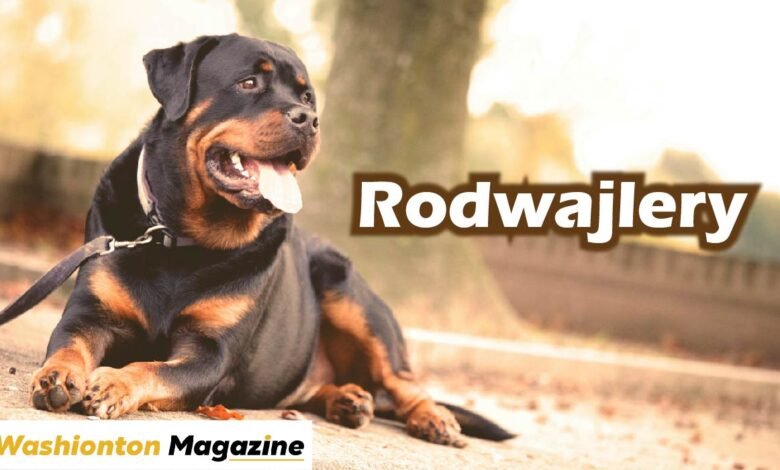
Rodwajlery refers to a regional spelling of the famous Rottweiler dog breed. The name appears in several European languages and online communities. Despite the spelling difference, Rodwajlery describes the same powerful working dog known worldwide. This breed gained recognition for strength, intelligence, and unwavering loyalty. Historically, people relied on these dogs for herding cattle and guarding property. Furthermore, farmers and merchants valued their courage and endurance.
Over time, the breed adapted to many modern roles. Today Rodwajlery dogs serve as police dogs, service animals, and trusted family companions. Many owners also admire their calm confidence and strong protective instinct. Consequently, people search online to learn the meaning of Rodwajlery. Many also want to know whether the breed suits family life. In addition, new dog owners seek training and care advice. These searches show growing global interest in this remarkable breed. Therefore understanding Rodwajlery history, behavior, and care helps potential owners make responsible decisions.
What Is Rodwajlery
Rodwajlery describes the well-known Rottweiler breed developed in Germany. This breed belongs to the working dog group. These dogs display strength, intelligence, and strong protective instincts. Their muscular body and balanced posture reveal their working heritage. In addition, Rodwajlery dogs form strong emotional bonds with their families. They guard homes and property with natural awareness. However, proper training ensures calm and controlled behavior.
Owners also appreciate their ability to learn commands quickly. Because of this intelligence, many organizations train them for professional tasks. Security teams, police units, and rescue groups rely on their discipline. Moreover, their loyalty makes them dependable companions in family homes. These qualities explain why Rodwajlery remains respected worldwide.
Origin and History of Rodwajlery
Rodwajlery history begins over two thousand years ago during the Roman Empire. Roman soldiers traveled across Europe with strong drover dogs. These dogs guided cattle and guarded military supplies. As Roman forces moved north, the dogs reached southern Germany. There they settled near a trading town called Rottweil. Local people began breeding the dogs for herding and guarding work. Eventually the town gave the breed its modern name. In Rottweil butchers used these dogs for practical tasks.
They herded livestock and pulled carts filled with meat. Furthermore the dogs guarded money and goods during market travel. Their reliability and strength earned widespread respect. Later the Industrial Revolution reduced cattle driving jobs. Railways replaced many traditional transport methods. Consequently the breed population declined for some time. However dog enthusiasts preserved the breed during the twentieth century. Police departments recognized their intelligence and discipline. Soon the breed gained global popularity as a working dog. Today Rodwajlery dogs serve many professional and domestic roles.
Physical Characteristics of Rodwajlery
Rodwajlery dogs show a powerful and balanced physical structure. Their muscular body reflects generations of working heritage. Adult males usually weigh between ninety-five and one hundred thirty-five pounds. Females often weigh slightly less. Height also differs slightly between males and females. Males reach about twenty-four to twenty-seven inches at the shoulder. Females stand about twenty-two to twenty-five inches tall. Their coat remains short, dense, and weather resistant.
The coat color appears mainly black with rust markings. These markings appear above the eyes, chest, legs, and muzzle. The head appears broad with a strong jaw structure. Dark almond-shaped eyes give an alert expression. Their ears fold forward naturally and enhance attentive appearance. Some countries previously practiced tail docking. However many regions now allow natural tails. Overall the body structure communicates strength and readiness.
Personality and Temperament of Rodwajlery
Rodwajlery temperament combines loyalty, intelligence, and calm confidence. These dogs build deep emotional bonds with their families. Therefore they prefer to stay close to their owners. Their protective instinct develops naturally over time. However good training shapes this instinct into controlled behavior. Rodwajlery dogs observe surroundings carefully before reacting.
They rarely act aggressively without reason. Their intelligence also helps them learn complex commands quickly. Owners often describe them as thoughtful and attentive companions. When socialization begins early, these dogs interact well with children. They also accept other household pets more easily. Proper guidance builds emotional balance and trust. As a result Rodwajlery dogs become dependable family protectors.
Why Rodwajlery Are Excellent Guard Dogs
Rodwajlery dogs earn recognition as outstanding guard dogs worldwide. Several traits support this reputation. First, the breed shows natural alertness toward environmental changes. Second, strong territorial awareness develops early in life. Third, courage allows them to confront threats calmly. Their intelligence also improves response to training commands. Because of these qualities security organizations rely on them heavily.
Police K9 units often train them for patrol duties. Military teams also value their discipline and endurance. In addition, many families trust them for home protection. However balanced training remains essential. Responsible training teaches them when to react and when to relax. This balance creates a reliable and controlled guardian.
Training Requirements for Rodwajlery
Training plays a crucial role in raising a healthy Rodwajlery dog. Owners should begin training during puppyhood. Early obedience lessons create strong behavioral foundations. Puppies learn commands such as sit, stay, and come quickly. Positive reinforcement produces the best training results. Rewards such as treats, toys, and praise encourage learning. Harsh punishment should never guide training methods.
Consistency also helps dogs understand expectations clearly. Socialization forms another important part of training. Puppies should meet different people, animals, and environments. This exposure builds confidence and emotional stability. Advanced training often includes protection work or agility exercises. Some dogs also train for search and rescue roles. Structured training keeps their minds active and focused.
Exercise Needs of Rodwajlery
Rodwajlery dogs require regular exercise to maintain health and balance. These dogs possess strong muscles and high endurance. Therefore daily activity supports physical and mental well-being. Most dogs need about sixty to ninety minutes of exercise daily. Long walks provide essential physical movement.
Running sessions also help burn excess energy. Interactive games like fetch strengthen the bond with owners. Agility courses offer both exercise and mental challenge. In addition puzzle toys stimulate problem-solving skills. Without enough activity dogs may develop unwanted behaviors. Examples include chewing, barking, or digging. Regular exercise prevents these problems and promotes emotional stability.
Rodwajlery Puppies What to Expect
Raising a Rodwajlery puppy requires patience and careful planning. The first year shapes the dog’s personality and behavior. Responsible breeders perform health screenings before selling puppies. Choosing ethical breeders improves long-term health outcomes. After adoption early socialization becomes essential. Puppies should meet different people and environments gradually. Proper nutrition supports healthy bone development during growth. Large breed puppy food helps control growth speed. Regular veterinary visits ensure vaccinations remain up to date. Training should begin gently but consistently. Positive experiences during early months build confidence.
Also Read :
Inflatom: Meaning, Concept, Applications, Future Guide
Health Issues in Rodwajlery
Like many large breeds Rodwajlery dogs face several potential health conditions. Hip dysplasia remains one common issue. This condition affects joint movement and comfort. Elbow dysplasia may also affect front leg joints. Dilated cardiomyopathy affects heart function in some dogs. Another serious risk involves gastric dilatation or bloat. This condition requires immediate veterinary care. Bone cancer also appears more frequently in large breeds. Responsible breeding programs reduce genetic health risks. Regular veterinary checkups support early detection and treatment.
Grooming and Care
Rodwajlery dogs require moderate grooming and daily care. Their short coat simplifies maintenance compared with long-haired breeds. Weekly brushing removes loose hair and maintains coat shine. Seasonal shedding may increase during certain months. Bathing remains necessary only when the dog becomes dirty. Excess bathing may remove natural coat oils. Ear cleaning prevents infection and irritation. Nail trimming keeps walking comfortable and safe. Dental care also supports long-term health. Consistent routines help maintain hygiene and comfort.
Common Myths About Rodwajlery
Several myths surround Rodwajlery dogs. Some people believe the breed is naturally aggressive. However aggression usually results from poor training or neglect. Another myth claims they cannot live with children safely. In reality well-socialized dogs interact gently with family members. Some believe the breed cannot become affectionate pets. Yet many owners describe them as loyal companions. Responsible ownership dispels these misconceptions easily.
Rodwajlery in Modern Society
Rodwajlery dogs continue serving many roles in modern society. Police departments rely on them for detection and patrol duties. Military units train them for security and search missions. Rescue teams depend on their tracking abilities. Therapy programs also use them for emotional support work. Meanwhile families value them as loyal companions. Their versatility explains their enduring popularity worldwide.
Rodwajlery as a Symbol of Strength and Loyalty
Rodwajlery dogs symbolize courage, loyalty, and discipline. Their history alongside humans created deep mutual trust. Many cultures admire the breed’s dedication to family protection. Their calm strength and emotional loyalty inspire admiration. For many owners the breed represents reliability and companionship.
How to Know if Rodwajlery Is the Right Dog for You
Owning a Rodwajlery requires commitment and responsibility. These dogs thrive in active homes with structured routines. Owners must provide exercise, training, and socialization. Adequate space also helps maintain physical health. People with active lifestyles often enjoy this breed most. Responsible ownership ensures a balanced and happy dog.
Future of the Rodwajlery Breed
The future of Rodwajlery depends on responsible breeding and education. Ethical breeders continue improving health screening programs. Training awareness also supports safe dog ownership. As long as people value loyalty and courage, the breed will remain respected worldwide.
Conclusion
Rodwajlery dogs represent one of the strongest and most loyal breeds. Their long history reflects cooperation between humans and animals. Strength, intelligence, and devotion define the breed’s character. With proper training and care they become extraordinary companions. Families, professionals, and trainers continue to appreciate their abilities worldwide.
FAQs
What does This mean
Rodwajlery refers to the Rottweiler breed in some European spellings.
Is This the same as Rottweiler
Yes This describes the same powerful working dog breed known as the Rottweiler.
Are These dogs dangerous
Proper training and socialization create calm and controlled behavior in these dogs.
Are These good family dogs
Yes they can become loyal and affectionate companions with responsible training.
How long do Rodwajlery dogs live
Most Rodwajlery dogs live between eight and ten years with proper care.
Visit For More Info : Washionton Magazine