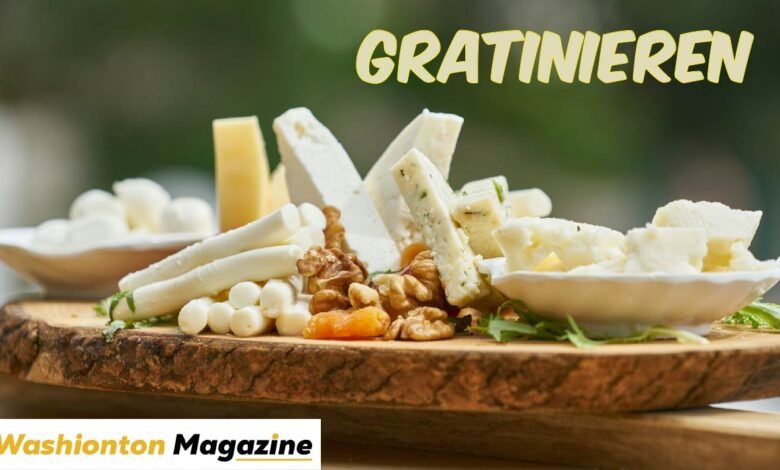
Gratinieren is a culinary technique that creates a golden, crispy crust on top of a prepared dish through controlled oven heat or broiling. Many people search for gratinieren meaning because they encounter the term in German recipes and French cuisine. However, gratinieren is not a specific dish but a precise cooking method that focuses on texture contrast and surface browning. The gratinieren definition centers on forming a flavorful crust, usually with cheese, breadcrumbs, or butter. Unlike simple baking, this approach prioritizes the final top layer rather than evenly cooking the entire dish. Therefore, understanding the difference between baking and gratinieren becomes essential for achieving proper results. The technique originates from France, where chefs refined surface browning for both flavor and presentation.
What Does Gratinieren Mean?
Gratinieren is a cooking technique in which a dish is baked or broiled with a topping—usually cheese, breadcrumbs, or butter—until a golden, crispy crust forms on the surface. It emphasizes browning and surface texture rather than simple oven cooking. The term comes from the French word “gratin,” which refers to a crust or scraped layer formed during cooking.
The Linguistic & Culinary Origin of Gratinieren
The history of gratin connects directly to French culinary traditions. The word “gratin” originally described the crust left at the bottom of baking dishes. French chefs valued this browned layer for its intense flavor and satisfying texture. As French culinary techniques spread across Europe, neighboring countries adopted and adapted the method.
In Germany, cooks used the term gratinieren to describe surface browning in oven dishes. Italy embraced a similar concept called “gratinato,” while Spain incorporated variations into regional comfort meals. Over time, this method became associated with hearty family cooking and festive gatherings. French culinary techniques often emphasize controlled heat and visual appeal, and this approach reflects both values. Consequently, gratinieren evolved from a practical cooking method into a refined presentation technique that symbolizes warmth and indulgence.
The Science Behind Gratinieren
Understanding how browning works helps cooks achieve consistent results. The Maillard reaction plays a crucial role because protein reacts with heat to produce complex flavors and golden color. This browning chemistry occurs at higher temperatures and requires minimal moisture. Additionally, caramelization contributes to flavor depth when sugars break down under heat. Moisture control remains critical because excess liquid prevents proper crust formation.
Therefore, oven temperature must remain between 180–220°C to balance internal cooking and surface browning. Broiling intensifies direct top heat and accelerates crust formation. Crispy crust science depends on fat content, protein presence, and surface dryness. Golden topping formation occurs only when ingredients reach adequate heat levels without burning. Consequently, mastering heat management separates average results from professional-quality dishes.
Essential Ingredients for Gratinieren
Cheese varieties significantly influence flavor and texture. Gruyère melts smoothly and browns beautifully. Parmesan adds sharpness and crisp edges. Emmental offers nutty depth, while mozzarella creates creamy stretch. Breadcrumb types also impact surface texture. Panko produces airy crunch, whereas fresh crumbs create softer crust. Herb-infused crumbs introduce aromatic complexity.
Butter and cream provide fat necessary for browning and moisture balance. Additionally, herbs and seasonings enhance the topping profile. Thyme adds earthiness, nutmeg complements cream sauces, garlic strengthens aroma, and paprika introduces subtle smokiness. Selecting the best cheese for gratin depends on meltability and flavor intensity. Therefore, thoughtful ingredient pairing defines successful gratin topping ideas.
Step-by-Step Guide to the Perfect Gratinieren Technique
Preparing the base layer requires careful moisture management. Pre-cook vegetables to reduce water release. Parboil potatoes to ensure even texture. Drain excess liquid before assembly. Creating the cream or sauce base enhances richness and cohesion. Béchamel provides structure, while cream reduction intensifies flavor. Applying the topping demands even distribution to ensure consistent browning.
Layering method matters because uniform thickness prevents uneven crust. Oven temperature should range between 180–220°C for optimal results. A final broil method can intensify color quickly. Resting time after baking improves texture because steam settles and crust stabilizes. Professional gratin tips emphasize patience and precision. Therefore, understanding how to gratinieren properly ensures repeatable excellence.
Classic Gratinieren Recipes
Traditional gratin recipes highlight versatility and comfort. Potato gratin, known as Gratin Dauphinois, layers thin potatoes with cream and cheese. Cauliflower gratin offers lighter texture with rich topping contrast. Pasta gratin combines cooked pasta with sauce and melted crust. French onion gratin features caramelized onions beneath cheese topping. Seafood gratin blends delicate fish or shellfish with creamy sauce. These best gratin dishes demonstrate how the technique enhances diverse ingredients. Consequently, the method adapts easily to regional tastes while preserving its core principle of crisp contrast.
Creative Modern Variations
Modern kitchens explore innovative interpretations of gratinieren. Vegan options replace dairy with cashew cream and plant-based cheese alternatives. Low-carb gratin uses zucchini or eggplant instead of potatoes. Sweet gratin introduces apple gratin or pear with almond crust for dessert applications. Healthy gratin alternatives focus on lighter cream bases and vegetable-forward compositions. Vegetarian gratin recipes expand flavor combinations while maintaining crispy appeal. Therefore, creative adaptations ensure continued relevance in contemporary cuisine.
Common Mistakes When Gratinieren
Too much moisture leads to soggy crust because steam prevents browning. Low oven temperature delays surface reaction. Wrong cheese type may separate or burn. Overcrowding dish reduces airflow and heat distribution. Burning under broiler occurs when timing lacks attention. Why gratin gets soggy often relates to insufficient draining or excess sauce. How to fix watery gratin involves pre-cooking ingredients and increasing surface heat briefly. Therefore, awareness of these errors prevents disappointment.
Tools & Equipment Needed
Shallow baking dishes promote even heat exposure. Ceramic pans retain heat steadily, while metal pans brown faster. Convection ovens circulate air for uniform results. Broiler settings provide concentrated top heat. Choosing the best dish for gratin depends on portion size and oven type. Gratin pan recommendations often favor wide surfaces over deep containers. Therefore, proper equipment supports consistent crust development.
Nutritional Aspects of Gratinieren
Calorie considerations vary depending on cheese and cream quantity. Fat content contributes richness but increases energy density. Healthier alternatives include reduced-fat dairy or vegetable-based sauces. Portion control tips encourage balanced servings alongside salads or lean proteins. Is gratin healthy depends on ingredient choices and moderation. Gratin nutrition facts show protein from cheese and vitamins from vegetables. Therefore, mindful preparation aligns indulgence with balanced eating.
Gratinieren vs Baking vs Broiling – What’s the Difference?
| Technique | Purpose | Heat Source | Result |
|---|---|---|---|
| Baking | Cook evenly | Surround heat | Soft interior |
| Broiling | Top browning | Direct top heat | Crispy surface |
| Gratinieren | Texture contrast | Combined | Golden crust |
The difference between baking and gratinieren lies in focus. Baking ensures uniform cooking, while gratinieren prioritizes crisp surface. Broiling alone browns quickly but lacks layered technique. Therefore, combining methods achieves ideal balance.
When to Use the Gratinieren Technique
Dinner parties benefit from visually impressive crusts. Holiday meals highlight comfort appeal. Leftover transformation elevates simple ingredients into refined dishes. Make-ahead dishes simplify entertaining while preserving texture. Therefore, this technique suits both everyday meals and special occasions.
Conclusion
Gratinieren represents a foundational culinary technique that blends science, tradition, and creativity. It enhances dishes through controlled heat and texture contrast. Moreover, it adapts easily to classic and modern recipes. By mastering moisture control, ingredient selection, and oven timing, cooks achieve consistent golden crusts. Therefore, gratinieren remains an essential method for elevating both simple meals and elegant presentations.
Frequently Asked Questions
What does gratinieren mean in English?
Gratinieren means to brown a dish under oven heat until a golden crust forms on top, usually using cheese or breadcrumbs.
What is the purpose of gratinieren?
The purpose involves creating texture contrast, enhancing flavor through browning, and improving visual presentation.
What cheese is best for gratin?
Gruyère and Parmesan work best because they melt evenly and brown attractively.
Why is my gratin watery?
Excess moisture from vegetables or sauce prevents crust formation. Pre-cooking ingredients reduces water content.
What temperature is best for gratinieren?
Most dishes brown properly between 180–220°C with optional brief broiling for extra color.
Also Read :
Neatlanta: Meaning, Culture & Smart City Vision
Visit For More Info : Washionton magazine