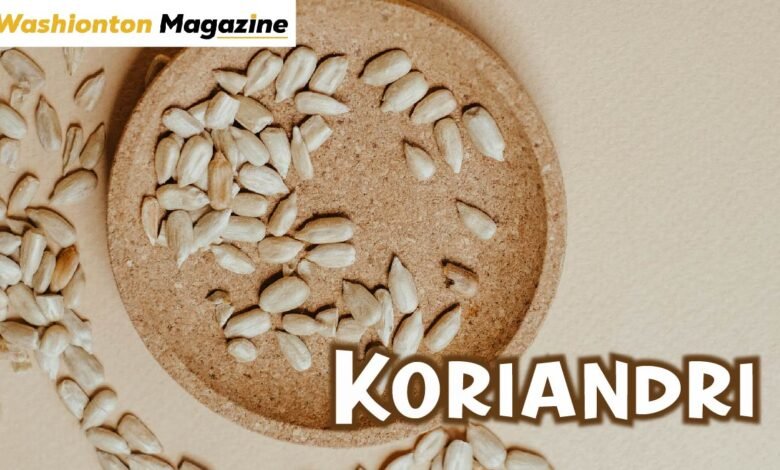
Koriandri refers to a widely used herb known globally as coriander or cilantro. It comes from the plant Coriandrum sativum. This plant offers both fresh leaves and dried seeds. Therefore, it holds a unique dual identity as both a herb and a spice. Many people search for koriandri to understand its meaning, uses, and differences. For example, users often ask what koriandri is or how it differs from cilantro. In addition, confusion exists between coriander seeds and fresh leaves. Across cultures, koriandri plays a vital role in cooking and wellness.
It appears in Indian curries, Mexican salsas, and Middle Eastern dishes. Moreover, it provides several health benefits due to its nutrients and antioxidants. As interest in natural foods grows, koriandri continues gaining attention worldwide. This guide explores koriandri’s meaning, history, uses, health benefits, nutrition, and its role in global cuisine and modern wellness.
What Is Koriandri?
Koriandri, scientifically known as Coriandrum sativum, is a versatile plant used in cooking and medicine. Its fresh leaves are called cilantro, while its seeds are known as coriander. This plant serves both culinary and therapeutic purposes. It adds flavor to dishes and supports overall health. As a herb, the leaves provide a fresh citrus-like taste. As a spice, the seeds offer a warm and nutty flavor. Therefore, koriandri stands out as a complete culinary ingredient with global importance.
Koriandri Quick Overview
| Field | Details |
|---|---|
| Scientific Name | Coriandrum sativum |
| Common Names | Coriander, Cilantro |
| Family | Apiaceae |
| Origin | Mediterranean & Asia |
| Uses | Culinary, Medicinal |
| Parts Used | Leaves, Seeds, Roots |
| Flavor Profile | Citrusy (leaves), Nutty (seeds) |
Botanical Classification and Plant Characteristics
Koriandri belongs to the Apiaceae family, which includes parsley and fennel. This family contains many aromatic plants used in cooking. The plant features soft green leaves and small white flowers. These flowers later produce round seeds. Each part of the plant serves a different purpose. The leaves act as a fresh herb, while the seeds act as a spice. Moreover, the plant grows quickly in suitable conditions. It prefers sunlight and well-drained soil. Gardeners often grow it because it requires little care. In addition, its short growth cycle allows multiple harvests. Understanding its structure helps improve its use in cooking and gardening.
Origin and History of Koriandri
Koriandri has a long history that dates back thousands of years. Ancient Egyptians valued it highly and placed it in tombs. It was even found in the tomb of Tutankhamun. Later, Greeks and Romans used it in cooking and medicine. As trade expanded, koriandri spread across continents. It reached Asia, Europe, and eventually the Americas. Over time, it became essential in many cuisines. Each culture adapted it based on local tastes. Therefore, koriandri evolved into a global ingredient with deep historical roots.
Koriandri vs Coriander vs Cilantro
| Term | Meaning |
|---|---|
| Koriandri | Regional name |
| Coriander | Seeds |
| Cilantro | Fresh leaves |
Different regions use different terms for the same plant. In South Asia, people often use the term koriandri. In the United Kingdom, coriander refers to both leaves and seeds. However, in the United States, cilantro means leaves, while coriander means seeds. Therefore, understanding these terms helps avoid confusion. This distinction also improves cooking accuracy and ingredient selection.
Flavor Profile and Culinary Characteristics
Koriandri offers a unique flavor that enhances many dishes. The leaves provide a fresh and citrus-like taste. They add brightness to salads, salsas, and garnishes. On the other hand, the seeds offer a warm and slightly sweet flavor. They work well in spice blends and cooked meals. In addition, aroma compounds give koriandri its signature scent. These compounds influence how people perceive its taste. Therefore, both leaves and seeds play important roles in cooking.
Culinary Uses of Koriandri Worldwide
Indian Cuisine
Koriandri plays a key role in Indian cooking. It appears in curries, chutneys, and spice blends. Fresh leaves garnish many dishes and add freshness.
Mexican Cuisine
In Mexican food, cilantro enhances salsas and tacos. It also adds flavor to guacamole and street foods.
Middle Eastern Cuisine
Middle Eastern dishes use both seeds and leaves. They appear in falafel, hummus, and spice mixes like baharat.
Southeast Asian Cuisine
In Southeast Asia, koriandri flavors soups and stir-fries. It also enhances marinades and noodle dishes.
Nutritional Value of Koriandri
Koriandri contains many essential nutrients that support health. It provides vitamins A, C, and K. These vitamins help maintain strong immunity and healthy skin. In addition, it contains minerals like potassium and magnesium. These minerals support heart and muscle function. Furthermore, koriandri offers antioxidants that protect cells from damage. Therefore, adding it to meals improves overall nutrition.
Health Benefits of Koriandri
Improves Digestion
Koriandri supports digestion by stimulating digestive enzymes. It reduces bloating and improves gut health.
Supports Heart Health
It helps maintain healthy cholesterol levels and supports cardiovascular function.
Regulates Blood Sugar
Studies suggest it may help control blood sugar levels effectively.
Anti-inflammatory Effects
Its compounds reduce inflammation and support joint health.
Detoxification Support
Koriandri helps remove toxins and supports liver function.
Boosts Immunity
Its vitamins and antioxidants strengthen the immune system.
Traditional and Medicinal Uses
Koriandri has been used in traditional medicine for centuries. Herbal remedies often include it for digestive support. It appears in detox drinks and herbal teas. In addition, essential oils from its seeds offer therapeutic benefits. These oils support relaxation and skin health. Therefore, koriandri connects food and medicine in a natural way.
Also Read : Obstetrika: Complete Guide to Modern Maternal Care
Koriandri in Modern Wellness Trends
Modern diets increasingly include koriandri due to its health benefits. It appears in smoothies and detox water recipes. In addition, plant-based diets use it for flavor and nutrition. Functional foods also include it as a key ingredient. Therefore, koriandri continues to grow in popularity within wellness communities.
Genetic Taste Sensitivity
Some people perceive koriandri leaves as soapy. This reaction occurs due to genetic sensitivity. Specific compounds called aldehydes trigger this taste. However, not everyone experiences this effect. Therefore, some prefer seeds instead of leaves. Understanding this helps improve cooking choices for different preferences.
How to Use Koriandri in Daily Diet
Adding koriandri to meals is simple and effective. Fresh leaves enhance salads and soups. They also improve sauces and dips. Seeds can be ground into spice blends. In addition, herbal teas can include coriander seeds. Using it regularly improves flavor and nutrition. Therefore, it fits easily into everyday meals.
Growing Koriandri at Home
It grows well in home gardens with basic care. It requires sunlight and well-drained soil. Regular watering supports healthy growth. Leaves can be harvested early for freshness. Seeds should mature fully before collection. In addition, using compost improves plant health. Therefore, growing It ensures a fresh and sustainable supply.
Spice Blends and Flavor Pairings
Coriander seeds form a base for many spice blends. These include garam masala and curry powder. They also appear in Middle Eastern baharat. It pairs well with cumin, turmeric, and chili. These combinations create rich and balanced flavors. Therefore, it plays a key role in spice mixing.
Cultural Significance and Symbolism
It holds cultural importance in many regions. In India, it symbolizes freshness and prosperity. In Mexico, it represents traditional cuisine and identity. Middle East, it reflects heritage and flavor traditions. Therefore, It connects food with culture and history.
Global Production and Cultivation
It grows in many parts of the world. India leads global production. The United States also grows it, especially in California. Mediterranean countries cultivate it as well. Its adaptability allows it to thrive in different climates. Therefore, it remains widely available worldwide.
Advantages and Benefits Summary
-
Highly versatile in cooking
-
Rich in nutrients and antioxidants
-
Supports digestion and immunity
-
Easy to grow at home
Conclusion
It stands as a powerful herb with global importance. It enhances flavor, supports health, and connects cultures. Its leaves and seeds offer unique culinary value. In addition, its nutrients provide many health benefits. From ancient history to modern kitchens, It continues to thrive. Therefore, including it in daily meals improves both taste and wellness. Its versatility ensures it remains essential worldwide.
FAQs About Koriandri
What is koriandri?
It refers to coriander or cilantro, a plant used as both herb and spice.
Is It the same as coriander?
Yes, It is a regional name for coriander.
What is the difference between cilantro and coriander?
Cilantro refers to leaves, while coriander refers to seeds.
What are the health benefits of It?
It supports digestion, heart health, and immunity.
Why does cilantro taste like soap?
Some people detect aldehydes differently due to genetics.
Visit For More Info : Washionton Magazine