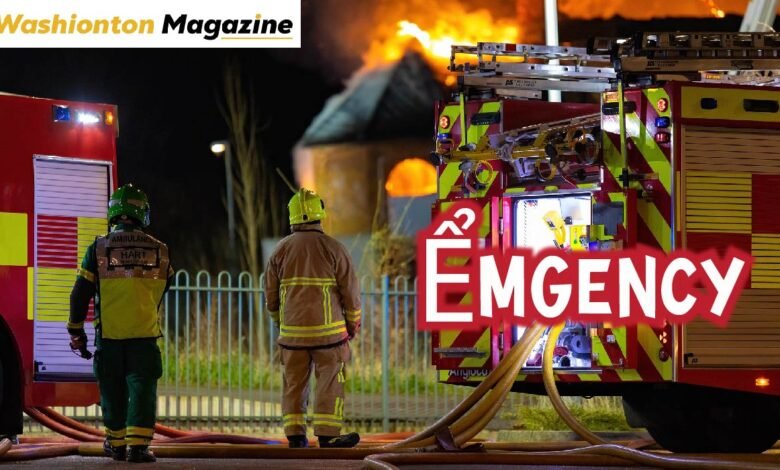
Ểmgency is a stylized or misspelled variation of the word emergency, and it does not carry a separate dictionary meaning in standard English usage. In most cases, people use it accidentally due to keyboard input errors, multilingual settings, or autocorrect changes that insert an accented character. Although the spelling looks unusual, the intended meaning remains the same as emergency, which describes a serious and urgent situation that requires immediate action. Many readers search for this variation because they feel unsure whether it represents a new concept, a foreign word, or a different level of urgency. That confusion creates curiosity, and curiosity drives search behavior. Therefore, it becomes important to clarify the meaning clearly and directly at the beginning.
What Does “Ểmgency” Mean?
Ểmgency is an alternative or stylized spelling of emergency. It does not represent a separate term in English dictionaries or formal writing systems. Most occurrences result from typing errors, accented keyboard selections, or informal digital communication habits. The accent mark above the letter does not change the definition. Instead, it changes only the appearance of the word.
The accented character “ể” appears in languages such as Vietnamese. However, English does not use that mark in standard spelling. Therefore, when the variation appears in English text, it functions as a visual alteration rather than a semantic shift. In practical terms, Ểmgency simply means emergency in almost every context where it appears.
Is “Ểmgency” a Real Word?
From a dictionary standpoint, Ểmgency is not recognized as a formal English word. Major dictionaries do not list it as a valid entry. Style guides also mark it as a spelling error. Therefore, it lacks linguistic legitimacy in professional contexts. However, online language evolves rapidly, and informal usage often spreads without official approval.
Search engines display results based on user queries rather than dictionary validation. When enough people search for a variation, it gains visibility. That visibility can create the illusion of legitimacy. Nevertheless, appearance in search results does not equal formal recognition. In casual writing, readers may understand the intention immediately. In professional or safety-related contexts, however, unconventional spelling can reduce trust. Therefore, while the variation communicates meaning informally, it remains a nonstandard form in formal language.
Emergency vs Ểmgency – What’s the Real Difference?
The primary difference lies in recognition, clarity, and credibility rather than meaning. Emergency holds official status across medical, legal, and governmental systems. It signals danger that requires immediate action. By contrast, the altered version lacks formal acceptance and often appears in playful or accidental contexts.
| Factor | Emergency | Ểmgency |
|---|---|---|
| Dictionary recognized | Yes | No |
| Official use | Yes | No |
| Emotional tone | Neutral | Often exaggerated |
| Trust level | High | Context dependent |
| Usage | Legal, medical, safety | Informal, playful |
Real emergencies involve objective danger. Emotional urgency often reflects stress rather than risk. When people encounter standardized language, they process it faster under pressure. However, unfamiliar spelling can slow comprehension. In high-stress situations, even small delays matter. Therefore, consistent spelling strengthens clarity and trust.
What Is an Emergency?
An emergency refers to a sudden situation that creates immediate risk to life, property, public safety, or the environment. It demands rapid and informed response to prevent harm from escalating. Examples include severe injuries, fires, natural disasters, and infrastructure failures. Each case involves urgency and potential danger.
Key characteristics define true emergencies. First, they involve clear risk. Second, they require prompt action. Third, they often demand coordination among responders. Without timely intervention, the situation may worsen quickly. Therefore, emergency systems focus on rapid assessment and decisive action. Clear communication remains central during these moments.
Types of Emergencies
Life-Threatening Emergencies
Life-threatening emergencies place individuals in immediate danger. Heart attacks, severe allergic reactions, fires, and major accidents fall into this category. Natural disasters such as earthquakes and hurricanes also threaten safety. Rapid response increases survival chances. Therefore, training and preparedness save lives.
Public Health Emergencies
Public health emergencies affect large populations. Pandemics, disease outbreaks, and chemical exposure disrupt daily life. Healthcare systems may face strain during such events. Coordinated action between medical professionals and authorities becomes essential. Early detection and communication reduce spread and harm.
Civil and Security Emergencies
Civil emergencies include terrorist attacks, riots, and infrastructure breakdowns. These events disrupt public order and essential services. Authorities must respond quickly to restore stability. Effective coordination between agencies prevents escalation and protects communities.
Technological and Digital Emergencies
Modern societies face digital threats as well. Cyberattacks and data breaches compromise sensitive information. Power grid failures and communication disruptions also qualify as emergencies. Organizations must secure systems and prepare response plans. Digital resilience now forms part of overall safety strategy.
Why Emergency Preparedness Matters
Emergency preparedness reduces panic and improves response time during crises. When individuals understand what to do, they act with confidence rather than fear. Preparedness protects lives and limits damage. Moreover, businesses maintain continuity when plans exist in advance.
On a personal level, preparedness includes keeping essential supplies accessible. Clean water, food, medications, and first aid kits support short-term survival. Families should establish evacuation routes and communication plans. Organizations must protect data and infrastructure. Communities benefit from coordinated drills and education. Therefore, preparation transforms uncertainty into structured action.
The Role of Technology in Modern Emergency Management
Technology strengthens emergency management through speed and precision. Real-time alerts inform citizens about weather threats and evacuation orders. GPS tracking guides rescue teams to affected areas. Drones provide aerial assessments during disasters. Artificial intelligence predicts risk patterns through data analysis.
Furthermore, early warning systems detect earthquakes and storms before impact. Mobile applications deliver instant updates. Satellite monitoring tracks wildfires and floods accurately. As a result, response teams allocate resources efficiently. Technology shifts crisis management from reactive to proactive approaches.
Read More :
Cavazaque Framework: Startup Execution Guide
Why “Ểmgency” Appears Online
The variation spreads primarily through digital tools. Multilingual keyboards offer accented characters when users hold letters. Autocorrect may insert unexpected symbols. Copying text from formatted documents can transfer hidden characters. Consequently, small visual differences appear frequently.
Social media culture also encourages exaggeration. Users may adopt unusual spelling to attract attention. Slight alterations create novelty. Novelty increases clicks and engagement. Therefore, accidental errors sometimes evolve into visible trends. However, the underlying meaning usually remains unchanged.
Emotional Urgency vs Real Emergencies
Emotional urgency reflects personal stress rather than physical danger. Missed deadlines and lost devices may feel overwhelming. However, they rarely threaten safety. Real emergencies involve objective risk. Understanding this distinction helps prioritize response.
Psychologically, the brain reacts strongly to perceived threats. Stress hormones increase focus and tension. When people label minor issues as emergencies, the word loses impact. Overuse weakens seriousness. Clear language ensures that genuine crises receive appropriate attention.
SEO Impact of Ểmgency
Search traffic for unusual spellings often stems from curiosity. Users want clarification rather than new definitions. Content that explains clearly can capture that traffic. However, confusing information increases bounce rates. Therefore, satisfying search intent becomes critical.
People-first content strengthens credibility. Search engines reward helpful explanations. Clear answers build trust and encourage engagement. By addressing confusion directly, writers meet user needs. Balanced use of standard spelling protects authority while acknowledging variations.
When Should You Use Ểmgency?
Context determines appropriateness. Informal settings allow creative expression. Social media posts and humorous stories may include playful spelling. Readers in those spaces expect exaggeration. However, professional contexts require precision.
Medical guidance, safety instructions, and legal documents demand clarity. Standard spelling prevents hesitation. Businesses should maintain formal language to protect credibility. Therefore, creative variations belong only in low-risk communication.
How to Build a Personal Emergency Plan
Effective emergency planning begins with identifying local risks. Flood zones, wildfire regions, and storm-prone areas require tailored preparation. Next, create a contact list with family and emergency numbers. Ensure every household member understands procedures.
Develop evacuation routes and meeting points. Prepare an emergency kit with water, food, medications, and flashlights. Protect important documents in waterproof storage. Practice drills regularly. Rehearsal increases confidence and speed during real events.
Staying Informed During Emergencies
Accurate information guides safe decisions. Rely on verified government sources and official alerts. Battery-powered radios provide updates during outages. Mobile apps offer real-time notifications. Avoid unverified rumors that spread quickly online.
Misinformation creates confusion and delays response. Therefore, cross-check information before acting. Staying informed strengthens resilience. Reliable communication supports coordinated action.
Conclusion
In simple terms, ểmgency represents a visual variation of emergency rather than a new concept. The meaning remains unchanged, yet the altered spelling introduces confusion in formal settings. Clear language becomes especially important during true emergencies, where fast comprehension saves time and potentially lives. Although digital tools spread unconventional spelling quickly, professional communication requires consistency. Preparedness, clarity, and informed response define effective crisis management. Ultimately, correct terminology strengthens trust, improves understanding, and ensures that urgent situations receive the serious attention they deserve.
FAQs
Is ểmgency a real dictionary word?
No, it is not recognized in major English dictionaries. It functions as a variation of emergency in informal contexts.
Why do people type ểmgency?
Most cases result from keyboard accents, autocorrect changes, or copied text formatting from digital platforms.
Does ểmgency mean something different?
No, it carries the same intended meaning as emergency in nearly all situations.
Can using ểmgency affect SEO?
Yes, it may attract curiosity traffic. However, clarity and proper spelling improve long-term credibility.
Should businesses use ểmgency?
No, businesses should use standard spelling in professional communication to maintain trust and authority.
Visit For More Info : Washionton magazine