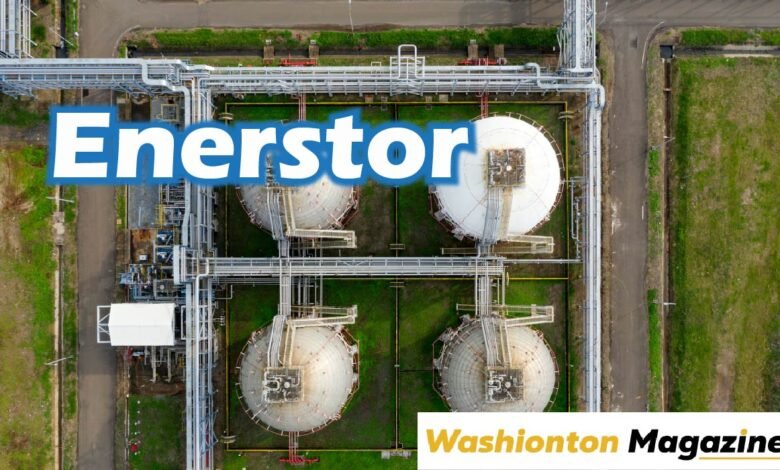
Enerstor refers to a modern energy storage technology designed to capture electricity and release it later when demand rises. Instead of relying only on continuous power generation, Enerstor systems store extra electricity during periods of surplus and deliver it during high-demand periods. Homes, businesses, and power networks increasingly adopt Enerstor solutions because they improve reliability and reduce energy waste.
Additionally, Enerstor integrates well with renewable energy sources such as solar and wind. These renewable sources produce energy inconsistently, yet Enerstor balances supply and demand effectively. Consequently, energy systems become more efficient and stable. As a result, modern infrastructure increasingly includes energy storage technologies to maintain dependable electricity access.
What Is Enerstor?
Enerstor represents an advanced energy storage technology that captures electricity and stores it for later use. Instead of sending all generated power directly to consumers, Enerstor systems preserve surplus electricity in dedicated storage units. These units hold energy safely until demand rises. During peak demand periods, stored electricity flows back into the system. Consequently, energy supply remains balanced and stable. Enerstor also functions as an energy management system because it controls energy flow intelligently. The technology collects excess power, stores it securely, and releases it precisely when required. Therefore, energy resources become more efficient and predictable.
Enerstor technology plays a key role in modern energy systems because it supports both distribution and energy management. Homes, businesses, and power grids rely on stable electricity access. However, energy demand fluctuates throughout the day. Enerstor solves this challenge by storing energy during low-demand periods and releasing it during high-demand periods. As a result, electricity supply becomes smoother and more dependable. Furthermore, Enerstor improves renewable energy integration by storing excess power from solar panels or wind turbines. Consequently, renewable energy becomes more practical and reliable for everyday use.
The Core Concept Behind Enerstor Systems
The core idea behind Enerstor systems focuses on intelligent energy storage and distribution. Energy generation often exceeds demand during certain periods. For example, solar panels produce large amounts of electricity during sunny afternoons. However, energy consumption typically rises during evening hours. Enerstor systems capture this surplus electricity and preserve it for later use. Consequently, energy that might otherwise be wasted becomes valuable.
Enerstor systems also balance supply and demand within electricity networks. When many users consume electricity simultaneously, the grid experiences pressure. Enerstor helps relieve this pressure by releasing stored electricity during peak hours. As a result, power networks remain stable and efficient. Additionally, this balance reduces the need for emergency energy generation from fossil fuels. Therefore, Enerstor improves both economic efficiency and environmental sustainability.
Why Energy Storage Is Important Today
Energy storage technology plays a critical role in modern electricity systems because renewable energy sources fluctuate constantly. Solar panels generate electricity only during daylight hours. Wind turbines depend entirely on wind conditions. Therefore, electricity supply can change suddenly. Enerstor systems solve this problem by storing surplus energy when production exceeds demand. Later, stored electricity provides power when renewable generation decreases.
Electricity demand also continues increasing across the world. Modern lifestyles rely heavily on digital devices, electric vehicles, and advanced infrastructure. Consequently, power grids must handle growing energy consumption. Enerstor systems help meet this demand by supplying stored electricity during peak usage periods. In addition, storage systems provide energy resilience during outages. Homes and businesses gain reliable backup power when grid supply fails. As a result, energy storage technologies such as Enerstor become essential components of modern infrastructure.
Key Components of Enerstor Systems
Enerstor systems rely on several essential components that work together to manage energy effectively. The battery storage unit forms the central element of the system. Most modern systems use lithium-ion batteries because they store large amounts of energy efficiently. Battery capacity determines how long stored electricity can support energy needs.
Another critical component is the inverter. This device converts direct current electricity into alternating current electricity. Most appliances require alternating current power. Therefore, the inverter ensures compatibility between stored electricity and household devices.Enerstor systems also include an energy management controller. This controller regulates charging and discharging cycles. Consequently, batteries remain protected from overcharging and excessive discharge. Monitoring software also plays a vital role. This software tracks electricity usage and storage levels continuously. Additionally, sensors monitor temperature and system performance to maintain safety. These components work together to create a stable and reliable energy storage solution.
How Enerstor Systems Work
Enerstor systems operate through a simple yet powerful process. First, electricity generation occurs through solar panels, wind turbines, or traditional grid supply. When energy production exceeds consumption, the system detects surplus electricity. The controller then directs this surplus energy into the battery storage unit. Consequently, electricity remains stored safely for future use.
Later, when energy demand increases, the system releases stored electricity back into the network. This discharge process supplies homes, businesses, or power grids with additional energy. Monitoring software continuously analyzes energy flow and adjusts storage levels accordingly. As a result, electricity distribution remains balanced and efficient.For example, a household solar system may produce excess energy during midday. Instead of sending this surplus power back to the grid, Enerstor stores it in batteries. During evening hours, stored energy powers the home. Consequently, electricity costs decrease while energy independence increases.
Features of Enerstor Technology
Enerstor technology offers several advanced features that enhance energy efficiency and reliability. Energy storage capacity determines how long electricity remains available after storage. Larger systems support greater energy demands. Smart monitoring also tracks energy production, consumption, and storage levels in real time. Consequently, users gain clear insights into their energy usage.
Automatic charging and discharging functions also improve efficiency. Enerstor systems store electricity during low-demand periods and release it during peak hours. Additionally, modular system design allows expansion as energy needs grow. Users can add extra storage units without replacing the entire system.Fast response power delivery also ensures immediate energy supply during outages. Renewable energy compatibility represents another important feature because Enerstor works seamlessly with solar and wind systems. Grid stabilization also benefits from energy storage because stored electricity supports networks during demand fluctuations. Finally, built-in safety protections prevent overheating and system overloads.
Benefits of Enerstor Systems
Enerstor systems deliver multiple advantages for energy users. Lower electricity costs represent one of the most significant benefits. Energy storage allows users to avoid purchasing electricity during expensive peak hours. Instead, they rely on stored energy.
Reliable backup power also improves energy security. Homes and businesses maintain electricity supply during outages. Furthermore, Enerstor improves renewable energy utilization. Solar and wind systems often generate excess electricity. Enerstor stores this energy rather than wasting it.Grid stability also improves because stored electricity balances supply and demand. Environmental impact decreases because renewable energy replaces fossil fuel generation. Finally, Enerstor increases energy independence by reducing reliance on traditional power grids.
Enerstor in Homes
Enerstor systems support residential energy management by improving efficiency and reliability. Homeowners often install solar panels to generate renewable electricity. However, solar generation fluctuates throughout the day. Enerstor systems store excess solar energy produced during daylight hours. Later, stored electricity powers homes during evening hours.
Homeowners also benefit from backup electricity during power outages. Essential appliances continue operating when grid supply fails. In addition, smart monitoring systems allow homeowners to track electricity usage easily. Consequently, households gain better control over energy consumption and reduce monthly electricity expenses.
Enerstor for Businesses and Industry
Businesses rely heavily on stable electricity supply for daily operations. Factories, offices, and data centers require continuous power to maintain productivity. Enerstor systems provide reliable backup electricity and reduce operational risks.
Companies also benefit from predictable energy costs. Energy storage allows businesses to store electricity during low-price periods. Later, they use stored electricity during high-price periods. Consequently, operating expenses decrease while energy efficiency improves.
Enerstor and Renewable Energy Integration
Enerstor technology strengthens renewable energy systems by solving production inconsistencies. Solar panels produce electricity during daylight hours, while wind turbines depend on weather conditions. Enerstor captures surplus renewable energy and stores it for later use. Consequently, renewable power becomes more reliable and practical.
Energy storage also accelerates clean energy adoption. Utilities and businesses feel more confident investing in renewable technologies when storage systems ensure stability. Therefore, Enerstor supports global efforts toward sustainable energy systems.
Also Read : Stealthgram: Anonymous Instagram Viewer Explained
Enerstor and Smart Grids
Smart grids represent advanced electricity networks that use digital technology to manage power distribution efficiently. Enerstor systems support smart grids by balancing energy demand and supply. Stored electricity helps stabilize networks during peak demand periods.
Additionally, It supports decentralized energy systems. Distributed storage units across cities provide flexible energy management. Consequently, smart cities gain resilient power infrastructure capable of handling modern energy demands.
Real-World Example of Enerstor in Action
Consider a manufacturing facility that operates continuously throughout the day. Electricity costs fluctuate significantly during peak demand hours. The company installs an Enerstor storage system to manage energy consumption. During low-cost periods, the facility stores electricity in battery units. Later, the facility uses stored electricity during peak demand hours. As a result, electricity expenses decrease substantially. Furthermore, the facility experiences fewer disruptions during grid instability. Operational efficiency improves because energy supply remains stable.
Challenges of Enerstor Implementation
It offer many benefits, yet certain challenges remain. Initial installation costs can be significant because advanced storage technologies require specialized equipment. Additionally, system design requires careful planning. Energy demand patterns must be analyzed before installation.
Maintenance requirements also influence long-term performance. Battery lifespan depends on proper charging cycles and system management. Regulatory factors also vary between countries. Some regions lack clear policies for energy storage integration. Despite these challenges, technological improvements continue reducing costs and improving efficiency.
Future of Enerstor Technology
It technology will likely evolve rapidly as energy storage innovation continues. Artificial intelligence may soon optimize energy management automatically. Smart predictive systems could forecast electricity demand and adjust storage levels accordingly.
Long-duration energy storage also represents a promising development. Future technologies may store electricity for extended periods, supporting renewable energy systems more effectively. Additionally, smart grid integration will expand as cities adopt decentralized power networks. Growing global demand for clean energy will further accelerate adoption of It technologies.
Is Enerstor a Sustainable Energy Solution?
It contributes significantly to sustainable energy development. Energy storage reduces reliance on fossil fuel power generation. Renewable energy systems become more efficient when excess electricity remains stored rather than wasted.
Carbon emissions also decrease because clean energy replaces fossil fuel alternatives. Additionally, improved energy efficiency reduces environmental impact. Consequently, It supports global efforts toward cleaner and more sustainable energy systems.
Conclusion
It represents a modern solution for managing electricity more efficiently. Energy storage systems capture surplus electricity and release it during high demand. This process improves grid stability, reduces energy costs, and supports renewable energy integration. Homes, businesses, and power networks increasingly rely on storage technologies to maintain reliable electricity supply. As renewable energy expands worldwide, Enerstor systems will play a crucial role in shaping the future of sustainable energy infrastructure.
Frequently Asked Questions
What is It?
It is an energy storage technology designed to store electricity and release it when demand rises.
How do It systems work?
It systems store excess electricity in batteries and release it during high demand periods.
Can It work with solar power?
Yes, it integrates effectively with solar panels and other renewable energy sources.
Is It suitable for homes?
It works well in residential systems because it provides backup power and energy savings.
What are the main benefits of It?
Enerstor improves energy efficiency, reduces electricity costs, supports renewable energy, and stabilizes power networks.
Visit For More Info : Washionton Magazine