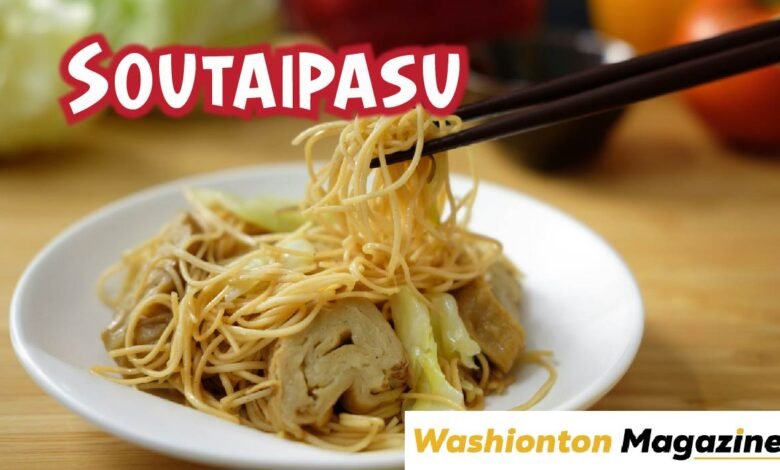
Soutaipasu is a traditional winter noodle dish rooted in Japan’s snowy regions, known for its warming broth, seasonal ingredients, and cultural significance during cold months. It is not a modern food trend created for social media. Instead, it reflects deep regional traditions shaped by harsh winters and community life. Families in northern areas such as Hokkaido and Niigata prepared this nourishing meal to stay warm and energized. The dish combines carefully prepared noodles, flavorful broth, and fresh seasonal produce. Therefore, it stands as comfort food with historical depth and emotional meaning.
What Is Soutaipasu?
Soutaipasu is a traditional Japanese winter noodle dish originating in snowy regions such as Hokkaido and Niigata. It features warming broth, seasonal vegetables, and carefully prepared noodles designed to nourish the body during harsh winters. The broth often uses dashi as a base, enhanced with miso or soy seasoning. Seasonal ingredients such as daikon, mushrooms, and leafy greens add depth and nutrition. Furthermore, the dish represents community, resilience, and shared meals during cold seasons. Families gather around steaming bowls that provide warmth and comfort. Therefore, Soutaipasu holds both culinary and cultural significance within regional Japanese traditions.
The History of Soutaipasu
Soutaipasu developed in regions where winter conditions demanded hearty nourishment. Hokkaido and Niigata experience heavy snowfall and low temperatures. As a result, residents relied on warming dishes to maintain strength. Early versions used locally available grains and vegetables. Over time, families refined broth preparation and noodle texture. Community gatherings encouraged knowledge sharing through oral tradition. Each generation introduced subtle adjustments while preserving core identity. Consequently, the dish evolved without losing authenticity. Today, it reflects both survival history and culinary craftsmanship shaped by environment and culture.
Cultural Significance of Soutaipasu
Winter festivals often feature Soutaipasu as a central comfort meal. Families prepare it during gatherings and seasonal celebrations. Communal cooking strengthens bonds and encourages intergenerational learning. The dish symbolizes warmth and resilience against cold climates. Moreover, sharing it reinforces cultural heritage and respect for seasonal ingredients. Preservation efforts continue through local food events and regional restaurants. Therefore, its cultural authority extends beyond nutrition and into social identity.
Core Ingredients of Soutaipasu
Noodles
Buckwheat soba or wheat noodles form the foundation of the dish. Soba provides fiber and earthy flavor, while wheat noodles offer softness and elasticity. Texture plays an essential role in overall balance.
Broth Base
Dashi creates the primary flavor layer. Some regions prefer miso-based broth, while others choose soy seasoning. Regional preferences influence intensity and aroma.
Seasonal Vegetables
Daikon radish adds freshness and mild sweetness. Carrots provide color and subtle earthiness. Leafy greens contribute nutrients and texture. Mushrooms introduce umami depth.
Protein Sources
Fresh seafood often appears in coastal regions. Tofu offers plant-based protein. Small poultry portions enhance richness without overpowering vegetables.
Fermented Elements
Miso and pickled vegetables support digestion and flavor complexity. Fermentation adds subtle tang and probiotic benefits.
Health Benefits of Soutaipasu
The dish offers high fiber content from vegetables and soba noodles. Lean protein from seafood or tofu supports muscle health. Anti-inflammatory vegetables contribute essential vitamins. Fermented elements promote gut balance. Moreover, the broth remains low in unhealthy fats when prepared traditionally. During winter, nutrient-rich ingredients strengthen immune support. Therefore, it aligns with modern nutritional awareness while preserving heritage methods.
Also Read :
Calamariere: Tradition Meets Modern Gastronomy
Variations of Soutaipasu Across Japan
The Hokkaido version often features creamy miso broth and fresh seafood. Mountain regions prefer soy-based broth with root vegetables. Vegetarian interpretations rely on kombu-based broth and mushrooms for depth. Modern fusion versions incorporate quinoa or avocado toppings. Gluten-free adaptations use alternative grains. These variations highlight adaptability without compromising core philosophy.
How Soutaipasu Is Traditionally Prepared
Preparation begins with slow broth simmering to develop layered flavor. Careful seasoning ensures balance rather than intensity. Noodles cook separately to maintain ideal texture. Vegetables enter the broth according to timing needs. Clay pot cooking distributes heat evenly and retains warmth. Garnishes such as green onions enhance aroma and presentation. Therefore, patience and precision remain central to traditional methods.
Soutaipasu vs Ramen vs Udon
| Feature | Soutaipasu | Ramen | Udon |
|---|---|---|---|
| Season | Winter-focused | Year-round | Year-round |
| Broth Style | Traditional, regional | Rich, varied | Light to thick |
| Cultural Role | Seasonal comfort | Street & shop culture | Casual dining |
| Ingredient Focus | Seasonal balance | Broth intensity | Noodle texture |
This comparison clarifies distinctions and highlights seasonal identity.
Where to Find Authentic Soutaipasu
Authentic experiences often appear in Hokkaido local restaurants. Family-run eateries preserve generational recipes. Winter food festivals showcase regional specialties. Regional shops highlight seasonal variations. Look for menus emphasizing local ingredients and traditional preparation. Crowded winter evenings often signal authenticity and popularity.
How to Cook Soutaipasu at Home
Begin with fresh seasonal ingredients. Prepare dashi carefully for depth. Simmer broth slowly to develop flavor layers. Cook noodles separately to avoid over-softening. Add vegetables according to texture needs. Serve immediately while steaming hot. Garnish thoughtfully to enhance presentation. Even simple versions reflect core philosophy when prepared patiently.
Soutaipasu in Modern Cuisine
Fusion restaurants reinterpret the dish with contemporary plating. Social media increases global awareness through appealing visuals. Health-conscious adaptations reduce oil and emphasize plant-based proteins. Fine dining establishments refine presentation while respecting traditional balance. Therefore, modern cuisine embraces heritage while introducing innovation.
Sustainability and Seasonal Eating
Local sourcing supports environmental responsibility. Seasonal produce reduces transportation impact. Minimal waste philosophy encourages full ingredient use. Mindful eating promotes appreciation rather than excess. Consequently, Soutaipasu aligns with sustainable food values.
Conclusion
Soutaipasu represents a winter noodle tradition rooted in Japan’s snowy regions. It combines warming broth, seasonal vegetables, and balanced flavors. Cultural depth strengthens its identity beyond taste alone. Furthermore, nutritional value supports modern health awareness. Contemporary adaptations introduce global audiences while preserving authenticity. In a fast-paced world, this dish reminds us to appreciate patience and seasonal harmony. Exploring Soutaipasu offers both culinary enjoyment and cultural connection, inviting everyone to experience warmth, tradition, and mindful nourishment.
Frequently Asked Questions
What is Soutaipasu?
Soutaipasu is a traditional winter noodle dish from snowy regions of Japan.
Is Soutaipasu Japanese?
Yes, it originates in northern Japanese communities.
Is Soutaipasu healthy?
Yes, it contains vegetables, lean protein, and fermented elements.
What makes Soutaipasu different from ramen?
It focuses on seasonal balance rather than broth intensity.
Can I make Soutaipasu vegetarian?
Yes, kombu broth and tofu create excellent vegetarian versions.
Visit For More Info : Washionton magazine