Calamariere: Tradition Meets Modern Gastronomy

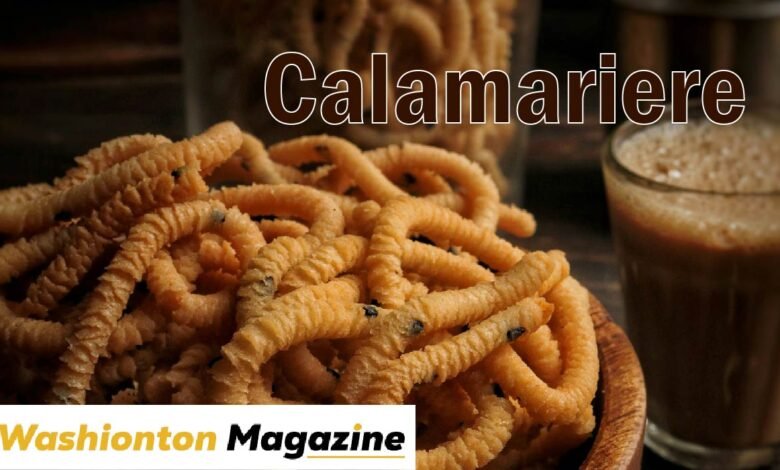
Calamariere is a modern culinary expression inspired by Mediterranean squid traditions and artisanal food culture. Many readers search for Calamariere meaning because the word sounds familiar yet unfamiliar at the same time. It clearly connects to calamari, yet it carries a refined tone that suggests identity and expertise. The Calamariere definition does not appear in traditional dictionaries, which creates curiosity and confusion. So, what is Calamariere exactly? It is not a fixed recipe, and it is not a classic dish with strict rules. Instead, it functions as a conceptual culinary term that reflects squid-based craftsmanship, storytelling, and cultural refinement. When people ask, “Is Calamariere a dish?” the answer requires nuance. It represents a philosophy rooted in Mediterranean seafood heritage while embracing modern gastronomic creativity.
Table of Contents
ToggleWhat Is Calamariere?
Calamariere is a contemporary culinary expression rooted in the Mediterranean tradition of preparing squid. It does not describe one specific plate or preparation style. Instead, it represents a refined seafood identity centered around squid-based cuisine and artisanal technique.
The term blends coastal seafood heritage with modern gastronomic nuance. Writers and chefs often use it in creative food discussions and niche culinary branding contexts.Calamariere is not officially listed in traditional dictionaries. However, it functions as a symbolic culinary concept that conveys specialization and cultural depth.
The Linguistic Structure of Calamariere
The linguistic roots of Calamariere reveal why the word feels authentic and elegant. The root “calamari” originates from Italian culinary tradition, where squid plays a central role in coastal diets. Across Mediterranean countries, squid appears in grilled dishes, stews, and fried preparations. Therefore, the base of the word firmly connects to established seafood heritage. Meanwhile, the suffix “-iere” carries a European artisan connotation. Similar endings appear in words that describe skilled individuals or refined roles.
This structure suggests expertise, not merely an ingredient. As a result, Calamariere etymology blends familiarity with sophistication. The phonetic flow feels Mediterranean and culinary in tone. Additionally, the word sounds natural in high-level gastronomy discussions. Because language evolves through cultural blending, such hybrid expressions often gain credibility through context and usage. The linguistic roots of Calamariere therefore reflect both tradition and innovation. Consequently, the term resonates strongly in modern food writing and conceptual branding.
Historical Context – Squid in Mediterranean Cuisine
Squid has shaped Mediterranean coastal diets for thousands of years. In ancient Greece, Italy, and Spain, fishermen relied on squid as accessible protein. Communities prepared it over open fires or slow-cooked it in clay pots. These traditional seafood preparation methods emphasized freshness and balance. Moreover, sustainable seafood practices developed naturally because coastal populations depended on long-term marine health. As trade routes expanded, culinary techniques traveled across regions. Cultural blending introduced new spices, oils, and cooking methods.
Consequently, Mediterranean squid dishes evolved in both flavor and presentation. During later centuries, chefs transformed squid from a fisherman’s staple into a gourmet ingredient. Fine dining restaurants elevated calamari with refined plating and complex sauces. The history of calamari therefore reflects social, economic, and cultural shifts. Calamariere builds upon this long heritage by honoring coastal traditions while embracing contemporary creativity. Through this lens, the term symbolizes continuity between ancient practice and modern gastronomy.
Is Calamariere a Dish or a Culinary Identity?
Many readers ask whether Calamariere refers to a specific recipe. However, the distinction between calamari and Calamariere clarifies the answer. Calamari describes squid itself or common fried preparations. In contrast, Calamariere explained as a concept highlights expertise and philosophy. Therefore, the difference lies between ingredient and identity. Identity-driven gastronomy has grown significantly in recent years.
Diners now seek meaning behind the plate, not only flavor. As a result, chefs describe themselves through culinary focus areas. Calamariere represents that focus when squid forms the central element. Instead of defining ingredients alone, the term captures dedication, craftsmanship, and cultural storytelling. Consequently, it functions as a culinary identity concept rather than a fixed recipe. This approach aligns with broader food culture trends that emphasize narrative and specialization.
Calamariere as a Culinary Technique
Calamariere also reflects mastery over squid preparation and texture control. Squid texture changes rapidly during cooking. Therefore, timing plays a critical role. Overcooking produces rubbery results, while precise heat ensures tenderness. Learning how to cook squid properly requires understanding this balance. Cleaning squid carefully removes membranes and internal parts. Furthermore, slicing with intention affects cooking speed and texture.
Many cooks marinate squid briefly in olive oil, lemon, or herbs. This step enhances natural sweetness without overpowering flavor. The Calamariere cooking style values restraint and precision. Frying delivers crisp exterior contrast. Grilling adds smoky depth. Braising allows slow absorption of sauces. Stir-frying preserves tenderness through rapid heat exposure. Baking offers lighter alternatives with minimal oil. These squid texture tips form the technical foundation of the concept. Consequently, Calamariere combines philosophy with disciplined culinary practice.
Mediterranean Flavor Profile Associated with Calamariere
Mediterranean seafood flavors define the sensory identity connected to Calamariere. Olive oil forms the base in many preparations. Garlic adds warmth and aromatic depth. Lemon introduces brightness and balance. Parsley contributes freshness and color. Tomatoes create richness in southern coastal regions. Calamari seasoning ideas vary by geography, yet simplicity remains essential.
Southern Mediterranean dishes often feature tomato-based sauces with herbs. Island styles emphasize lemon, sea salt, and high-quality olive oil. Northern regions incorporate white wine reductions and subtle spices. These variations reflect local agriculture and climate. However, all interpretations prioritize harmony over complexity. Consequently, flavor supports the squid rather than masking it. This balanced approach strengthens the culinary identity associated with the term.
Nutritional Value of Calamariere
Beyond cultural meaning, squid offers strong nutritional value. Calamari nutrition facts highlight lean protein and low calorie density. A moderate serving provides substantial protein for muscle maintenance. Therefore, seafood protein benefits include satiety and metabolic support. Squid also contains omega-3 fatty acids that support heart health. Additionally, it provides vitamin B12, selenium, and phosphorus. These nutrients contribute to nerve function and immune resilience. Many people ask, “Is squid healthy?” When prepared with moderate oil and fresh ingredients, it supports balanced diets. Because Mediterranean cuisine emphasizes whole foods and healthy fats, the Calamariere approach aligns naturally with wellness trends. Consequently, nutritional relevance strengthens its modern appeal.
Modern Gastronomy & Digital Identity
Modern gastronomy language increasingly embraces expressive identity terms. Calamariere appears in contemporary food writing as a refined descriptor. Culinary branding terms often highlight specialization and authenticity. Therefore, the word suits niche seafood restaurants or creative gastronomy projects. Food identity trends show that diners value story-driven concepts. In digital culture, hybrid language creation spreads quickly through blogs and social platforms.
As a result, Calamariere trend searches increase because curiosity drives engagement. Writers use the term to signal sophistication and expertise. This digital adoption demonstrates how language evolves through shared usage. Consequently, Calamariere bridges traditional seafood heritage with modern branding strategies.
Sustainability & Ethical Seafood Considerations
Sustainable seafood practices remain crucial in contemporary gastronomy. Responsible squid fishing protects marine ecosystems and supports coastal communities. Ethical squid sourcing involves respecting seasonal cycles and population limits. Certifications help consumers identify sustainable products. Furthermore, marine ecosystem protection ensures long-term food security. Because Calamariere builds upon Mediterranean tradition, it naturally aligns with respect for the sea. Conscious sourcing enhances both flavor and integrity. Therefore, sustainability strengthens the cultural legitimacy of the concept.
Global Interpretations & Cultural Influence
Global squid dishes demonstrate how diverse cultures adapt similar ingredients.
| Country | Style | Flavor Profile |
|---|---|---|
| Italy | Calamari Fritti | Light, lemon |
| Spain | Calamares | Garlic & olive oil |
| Japan | Ikayaki | Soy-glazed |
| Southeast Asia | Chili squid | Spicy |
| USA | Fusion seafood | Experimental |
These calamari variations reflect local tastes and techniques. Nevertheless, each honors squid’s delicate texture and adaptability. Consequently, global influence expands the conceptual reach associated with Calamariere.
Why Calamariere Is Gaining Attention Online
The rise of identity-driven terms fuels online interest. SEO curiosity effect encourages searches for unfamiliar yet appealing words. Culinary storytelling trends emphasize narrative depth and authenticity. Therefore, hybrid language creation captures attention quickly. People search Calamariere because the word sounds refined and mysterious. As digital culture rewards originality, such terms gain traction. Moreover, food enthusiasts appreciate expressive language that reflects craftsmanship. Consequently, the Calamariere trend continues growing in niche culinary discussions.
Conclusion
Calamariere represents a bridge between tradition and modern culinary expression. It builds upon Mediterranean seafood heritage while embracing contemporary storytelling and branding. Although it lacks formal dictionary status, its meaning becomes clear through structure and context. The term symbolizes squid mastery, cultural respect, and gastronomic identity. Moreover, nutritional value and sustainability enhance its relevance. As language continues evolving within food culture, expressive concepts like this gain traction through shared understanding. Ultimately, Calamariere stands as a refined culinary identity that unites heritage, technique, and innovation within global gastronomy.
Frequently Asked Questions
What does Calamariere mean?
Calamariere describes a refined culinary identity centered on squid-based cuisine. It reflects expertise, tradition, and artisanal seafood preparation rather than a single recipe.
Is Calamariere a real word?
It does not appear in traditional dictionaries. However, it functions as a conceptual culinary term used in modern gastronomy discussions.
Is Calamariere the same as calamari?
Calamari refers to squid or common fried dishes. Calamariere represents a broader identity focused on squid craftsmanship.
Where did Calamariere originate?
The concept draws inspiration from Mediterranean squid traditions, particularly Italian coastal cuisine and artisan language patterns.
Is Calamariere healthy?
When prepared with fresh ingredients and moderate oil, squid provides lean protein, omega-3 fats, and essential vitamins.
Also Read :
Visit For More Info : Washionton magazine