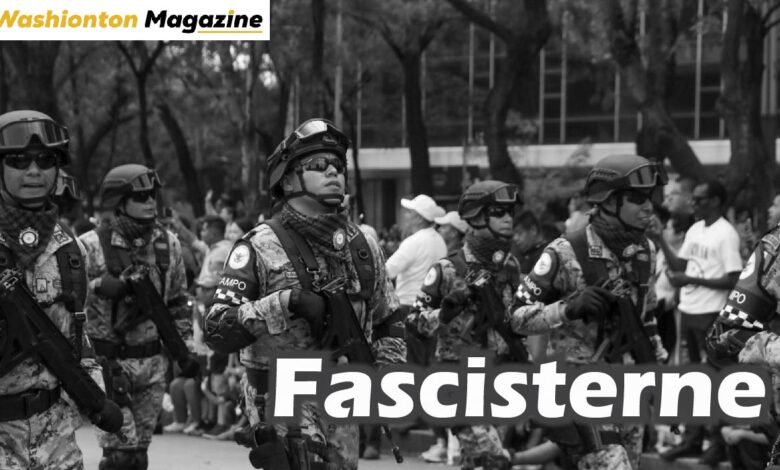
Fascisterne refers to individuals, groups, or movements connected with fascism, a political ideology that developed in early twentieth-century Europe. Fascism promotes authoritarian leadership, extreme nationalism, centralized power, and strict suppression of opposition. Governments influenced by this ideology often place the state above individual freedom. Many readers search the term Fascisterne because they want to understand fascism, its origins, and its impact on world history.
People also want to know how fascist movements developed and why they gained support. Historical events shaped this ideology strongly. After World War I, many European societies experienced instability, unemployment, and political tension. These conditions allowed extremist political ideas to gain popularity. As a result, fascist movements appeared across several countries. Understanding Fascisterne therefore requires examining historical events, influential leaders, and ideological principles. This guide explores Fascisterne carefully, covering its origins, beliefs, historical development, major figures, and lasting influence on global politics.
What Is Fascisterne?
Fascisterne describes people or movements that support fascism. Fascism represents an authoritarian political ideology built on centralized authority and strong national identity. Leaders within fascist systems concentrate power within one party or ruler. Political opposition rarely survives under such regimes. Instead, governments emphasize unity, loyalty, and obedience to the nation. Fascist ideology also promotes strict social order and national pride.
Citizens often encounter strong propaganda promoting national identity and leadership strength. Although fascism appeared during the twentieth century, scholars still study its influence today. Historical analysis of Fascisterne helps researchers understand how political movements gain power during times of instability. It also explains how authoritarian systems develop and shape societies.
Historical Origins of Fascisterne
Fascisterne emerged during a period of social crisis across Europe. World War I created enormous political and economic problems. Governments struggled with unemployment, inflation, and social unrest. Many citizens lost confidence in democratic institutions. Political groups promised stability and national revival. Fascist movements gained attention because they promised order and strong leadership. These groups appealed to national pride and social unity. As a result, many people supported leaders who promised rapid solutions to national problems. This environment allowed fascist ideology to develop quickly across several European countries.
Key Figures Associated with Fascisterne
Several historical leaders shaped the ideology connected with Fascisterne. Benito Mussolini became one of the earliest and most influential fascist leaders. He founded the Fascist Party in Italy and promoted strong authoritarian rule. Mussolini emphasized nationalism, discipline, and centralized government power. Adolf Hitler later expanded fascist ideas within Germany through the Nazi movement.
Although Nazism included racial ideology, it shared authoritarian and nationalist elements with fascism. Other authoritarian leaders also influenced fascist movements across Europe. Francisco Franco in Spain ruled through a nationalist dictatorship that displayed several fascist characteristics. These leaders used propaganda, military strength, and centralized authority to maintain power.
Core Ideological Principles of Fascisterne
Fascisterne follow several core ideological principles that define fascist systems. Authoritarian leadership represents the most central principle. Fascist governments concentrate authority within one leader or ruling party. Extreme nationalism also plays a major role. Fascist ideology emphasizes unity and national pride above individual identity. Militarism further supports these beliefs by glorifying military strength and discipline. Governments promote military values across education and society. Suppression of opposition also defines fascist regimes. Leaders control media, restrict political opposition, and silence critics. Through these methods, fascist governments maintain strong political control over society.
Fascisterne and the Role of Propaganda
Propaganda served as a powerful tool within fascist political systems. Governments controlled newspapers, radio broadcasts, and public messaging. These communication channels promoted loyalty to national leaders and the state. Large public rallies reinforced national unity and support for leadership. Fascist propaganda also portrayed opposition groups as threats to national stability. Through repeated messaging, governments shaped public opinion and strengthened ideological control. This communication strategy helped fascist leaders maintain authority across large populations.
Fascisterne Compared with Other Authoritarian Ideologies
Fascisterne share similarities with several other authoritarian systems. However, important differences exist between these ideologies. Fascism emphasizes nationalism and cultural identity strongly. Communism instead focuses on economic equality and class struggle. Military dictatorships also centralize power, yet they usually arise from armed forces rather than political ideology. Totalitarian systems share several traits with fascism. Both systems attempt to control political, social, and cultural life completely. Despite these similarities, fascist ideology remains unique because of its intense nationalism and emphasis on national identity.
Also Read :
Tran Ny Tube: Meaning, Content, and Online Trend Guide
The Rise of Fascisterne in Europe
Fascist movements expanded rapidly during the interwar period. Economic crisis created widespread social frustration. Many citizens feared the growth of communist movements. Fascist leaders presented themselves as defenders of national stability. Nationalist messages attracted large numbers of supporters. Political violence and propaganda also strengthened fascist influence. Several European countries experienced strong authoritarian movements during the 1920s and 1930s. These movements reshaped political systems and increased international tensions.
Impact of Fascisterne on Global History
The influence of Fascisterne significantly shaped twentieth-century global events. Fascist expansion and aggressive nationalism contributed directly to World War II. Military conflicts spread across Europe, Africa, and Asia. Fascist governments also committed widespread human rights violations. Political opponents, minority groups, and critics often faced persecution. After the war ended, international institutions developed new systems protecting human rights and democratic governance. These changes aimed to prevent similar authoritarian movements from gaining power again.
Decline of Fascist Regimes
Fascist governments eventually collapsed during the final years of World War II. Allied military victories weakened fascist states significantly. Political opposition within occupied territories increased. International pressure also forced major political changes after the war. Many countries replaced authoritarian regimes with democratic governments. Trials and historical investigations revealed the crimes committed under fascist rule. These events contributed to the global rejection of fascism as a political system.
Modern Interpretations of Fascisterne
Modern scholars study Fascisterne within historical and political science research. Historians analyze fascist movements to understand authoritarian political behavior. Political scientists also examine similarities between past fascist regimes and modern extremist ideologies. Academic discussions focus on nationalism, propaganda, and authoritarian leadership patterns. Although historical contexts differ, these studies help explain how extremist movements gain public support. Careful historical analysis remains important for understanding political risks in modern societies.
Lessons Learned from the History of Fascisterne
The history of Fascisterne provides several important lessons. Democratic institutions require strong protection to prevent authoritarian takeover. Civil liberties must remain safeguarded within political systems. Free media and political debate strengthen democratic societies. Citizens must also recognize the dangers of extremist nationalism and propaganda. Education about historical events helps societies identify early warning signs of authoritarian movements.
Why Understanding Fascisterne Still Matters
Understanding Fascisterne remains important for modern societies. Political education helps citizens evaluate ideological movements critically. Historical awareness strengthens democratic values and civic responsibility. Societies that understand past authoritarian systems can better protect democratic institutions. Scholars and educators therefore continue studying fascist movements and their influence on history.
Conclusion
Fascisterne represents an important historical concept connected with fascism and authoritarian political ideology. Fascist movements developed during periods of political crisis and social instability. Leaders promoted strong nationalism, centralized authority, and strict control over opposition. These ideas shaped political systems across Europe during the early twentieth century.
Their influence contributed significantly to global conflict and human rights violations. Today historians and political scholars study Fascisterne to understand authoritarian systems and protect democratic institutions. Awareness of this history helps societies recognize the dangers of extremist ideologies and strengthen commitments to freedom and democracy.
Frequently Asked Questions
What does Fascisterne mean?
Fascisterne refers to individuals or groups connected with fascism, an authoritarian nationalist ideology.
Where did Fascisterne originate?
Fascisterne first emerged in early twentieth-century Europe, particularly in Italy after World War I.
What beliefs define Fascisterne?
Core beliefs include authoritarian leadership, strong nationalism, centralized state power, and suppression of opposition.
Who were the major fascist leaders?
Important leaders included Benito Mussolini in Italy and Adolf Hitler in Germany.
Why is fascism historically significant?
Fascist movements influenced global politics and contributed directly to World War II.
Visit For More Info : Washionton Magazine