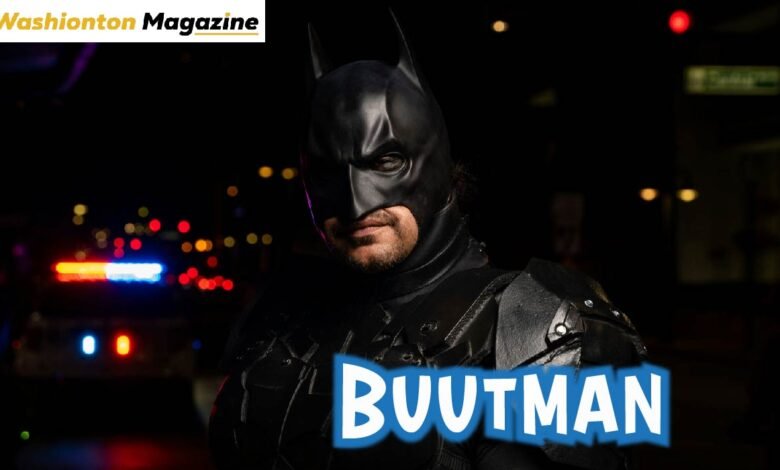
Buutman is a term that appears across internet culture, online communities, and search engines. The word often sparks curiosity because it carries multiple meanings depending on context. In some situations, Buutman refers to a digital persona that spreads through memes, art, and discussions across platforms. In other cases, it appears as a spelling variation or internet reinterpretation of the Dutch word “Buurman,” which translates to neighbor.
Because of this connection, Buutman sometimes emerges in searches related to language learning, cultural discussions, and online storytelling. However, the meaning of Buutman has gradually evolved beyond its linguistic roots. Many internet users now treat it as a flexible digital identity shaped by community creativity and humor. As a result, Buutman exists not as a single person or brand but as a collaborative concept created through online interaction.
What Is Buutman?
Buutman is an internet term associated with digital culture, memes, and community-created personas. The word frequently appears in online discussions where users build stories, jokes, and creative interpretations around the name. In certain contexts, Buutman is also considered a variation of the Dutch word “Buurman,” meaning neighbor. However, the modern online meaning goes beyond simple translation.
Internet users often treat Buutman as a flexible identity that anyone can reinterpret. Instead of belonging to a specific person, the concept grows through community participation. Users create memes, art, and fictional narratives that expand the character’s identity. Because the concept remains open to interpretation, it easily adapts to different platforms and communities.
Origins of the Word Buutman
The origin of Buutman connects closely to the Dutch word Buurman. In Dutch language usage, Buurman means neighbor or someone living nearby. This word plays an important role in everyday communication within Dutch-speaking communities. Over time, spelling variations emerged online due to phonetic typing and keyboard differences.
As a result, Buutman began appearing in search results and discussions. While the original Dutch pronunciation resembles “boor-man,” English speakers often interpret the spelling differently. These variations contributed to confusion between the two terms. However, despite the linguistic connection, Buutman now holds a broader meaning within internet culture.
Buutman vs Buurman: Understanding the Difference
The difference between Buutman and Buurman mainly comes from context and usage. Buurman is the traditional Dutch word meaning neighbor. It appears frequently in Dutch language education and daily conversation. Buutman, on the other hand, often appears online as a variation or reinterpretation of the original word.
Typing habits and phonetic spelling frequently cause this difference. Search engines also group similar spellings together, which increases the overlap between the two terms. As a result, users sometimes search Buutman while actually looking for information about Buurman. However, internet culture gradually transformed Buutman into a digital concept separate from the original meaning.
Buutman as a Digital Persona
Within internet culture, Buutman often functions as a digital persona created by communities rather than individuals. Unlike traditional influencers or celebrities, this persona does not belong to a single creator. Instead, people contribute to the identity through memes, jokes, artwork, and storytelling. Each new interpretation adds another layer to the concept. This collaborative process allows the persona to evolve constantly. Because no fixed biography exists, users feel free to reshape the character according to their creative ideas. Consequently, Buutman demonstrates how modern internet communities build shared identities through participation and imagination.
Buutman in Internet Culture
Internet culture spreads ideas rapidly through social media and online communities. Buutman gained visibility through this environment. Platforms such as Reddit, Twitter, and YouTube often amplify unusual or humorous concepts. Users create posts, memes, and videos that reference the name in creative ways. As more people encounter the term, curiosity increases and search volume grows. This cycle helps transform a simple word into a recognizable digital concept. Additionally, the flexible nature of Buutman allows different communities to interpret the persona differently.
Buutman in Online Art Communities
Online art communities also played a role in shaping It. Platforms such as DeviantArt encourage artists to experiment with character design and creative storytelling. Artists began interpreting Buutman as a fictional character through illustrations and digital artwork. These interpretations vary widely because no official design exists. Some portray the character humorously, while others explore darker or more abstract visual themes. This artistic freedom helped the concept spread among creative communities.
Also Read :
Jipinfeiche: The Rise of Premium Smart Mobility
Buutman and Meme Culture
Memes significantly contributed to the popularity of It. Meme culture thrives on humor, relatability, and rapid sharing. Users create edited images, captions, and videos that reference trending topics. Because It remains undefined, meme creators easily incorporate the name into different formats. These humorous interpretations spread quickly across social platforms. As memes circulate, more users encounter the concept and contribute their own variations.
Buutman in Gaming Communities
Gaming communities also contributed to the spread of It. Online multiplayer environments encourage creative usernames and fictional personas. Gamers often adopt unusual names that become recognizable within communities. It fits naturally into this environment because it sounds distinctive and adaptable. Some gaming forums mention the name within discussions about digital identities and fictional avatars. Through these interactions, the concept expanded into gaming culture.
Why Anonymous Digital Characters Become Popular
Anonymous characters like It attract attention for psychological reasons. Mystery naturally triggers curiosity and discussion. When people encounter a concept without clear origins, they attempt to interpret its meaning. Collaborative creativity also plays a role. Users enjoy contributing ideas that shape shared narratives. Additionally, anonymous identities allow communities to experiment freely without limitations.
Cultural Meaning Behind Buutman
The cultural meaning of It reflects several aspects of internet behavior. First, it represents anonymity within digital spaces. Second, it symbolizes collaborative storytelling among online communities. Third, it demonstrates how humor and creativity shape modern internet culture.
The Role of Community in Shaping Buutman
Communities drive the growth of Buutman. Users contribute through memes, stories, artwork, and discussions. Each contribution expands the concept further. Unlike traditional media characters, the persona remains flexible and open to reinterpretation.
Language Context and Dutch Usage
Understanding Buutman also requires examining related Dutch vocabulary. The word buurman means neighbor in Dutch. The feminine form buurvrouw means female neighbor. The plural form buren refers to neighbors collectively. Example sentence: “Mijn buurman is vriendelijk,” meaning “My neighbor is friendly.”
Pop Culture Connections
Buurman en Buurman TV Show
One well-known cultural reference involves the stop-motion television show Buurman en Buurman. This Czech animated series features two neighbors solving everyday problems creatively. The show gained international popularity and introduced many viewers to the word buurman.
Internet Media References
Various blogs, YouTube videos, and digital publications reference Buutman while discussing online trends and internet culture.
Why Buutman Is Trending Online
Several factors explain the rising interest in Buutman. Curiosity surrounding its meaning encourages searches. Meme culture spreads the term across platforms. Spelling confusion between It and Buurman also increases search traffic.
The Future of Buutman in Online Culture
The future of It depends largely on community creativity. Internet personas often evolve through memes and collaborative storytelling. If users continue creating content around the concept, It may grow into a recognizable symbol of digital culture.
Conclusion
It represents a fascinating example of how internet communities create meaning collectively. The word originated through linguistic variation but evolved into a digital persona shaped by memes, art, and storytelling. Today, It reflects the collaborative creativity that defines modern online culture.
Frequently Asked Questions
What does It mean?
It is an internet term connected to digital culture and sometimes related to the Dutch word buurman.
Is It a real person?
No. The concept usually represents a community-created digital persona rather than a specific individual.
Is It related to the Dutch word Buurman?
Yes. The word Buutman often appears as a variation of Buurman, which means neighbor.
Why is It trending online?
Curiosity, meme culture, and spelling variations contribute to growing search interest.
How did It become popular?
Online communities spread the concept through memes, artwork, and digital storytelling.
Visit For More Info : Washionton Magazine