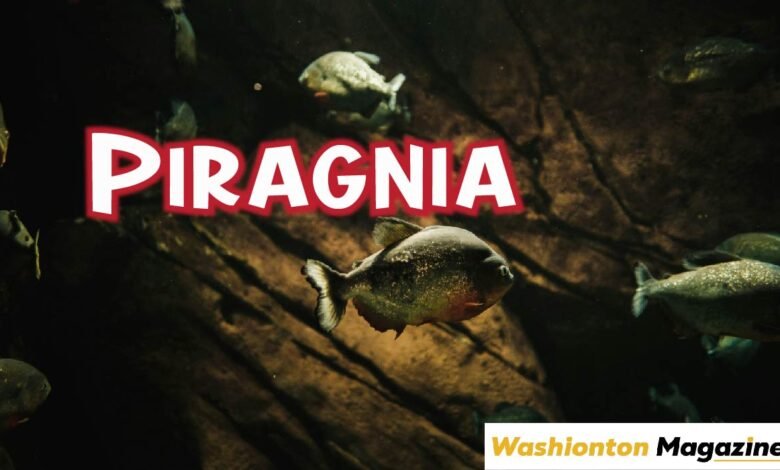
Piragnia appears as a commonly searched term across many online platforms today. Most users encounter this word while researching freshwater fish. In many cases, piragnia represents a variation of the word piranha. However, confusion often arises because of spelling differences and pronunciation changes. As a result, many people believe piragnia refers to a different species. In reality, this term connects directly to the well-known Amazon fish. Search queries such as what is piragnia or piragnia fish continue to increase steadily.
This growing curiosity reflects how digital language evolves quickly. Moreover, social media and blogs often repeat the variation, which spreads confusion further. Despite this, the topic usually leads back to piranhas and their biology. These fish live in South American rivers and play key ecological roles. Understanding piragnia helps separate myths from scientific facts. This guide explains piragnia’s meaning, origin, scientific truth, myths, and ecological importance.
What Is Piragnia?
Piragnia is a commonly used spelling variation of piranha, a freshwater fish found in South America. It is not a scientifically recognized species. Instead, it functions as a search term used in online discussions. Many users type piragnia due to phonetic interpretation or typing habits. Therefore, the term exists mainly in digital contexts rather than scientific classification.
Piragnia Quick Overview
| Field | Details |
|---|---|
| Term Type | Informal / Search Keyword |
| Scientific Name | Piranha (Family: Serrasalmidae) |
| Habitat | South America |
| Family | Serrasalmidae |
| Diet | Omnivore |
| Known For | Sharp teeth, strong jaws |
Piragnia vs Piranha
| Feature | Piragnia | Piranha |
|---|---|---|
| Status | Informal | Scientific |
| Usage | Online | Biological |
| Meaning | Variation | Real fish |
It often appears due to spelling confusion and phonetic differences. People hear the word piranha and spell it differently. Over time, search engines recognize this variation. Therefore, piragnia becomes a searchable keyword. However, the correct scientific term remains piranha.
Scientific Classification of Piranhas
Piranhas belong to the family Serrasalmidae. This family includes several freshwater fish species. The most common genera include Pygocentrus and Serrasalmus. One well-known species is the red-bellied piranha. Scientists classify these fish based on anatomy and behavior. Therefore, piragnia does not appear in scientific taxonomy. Instead, it reflects informal language usage.
Origin and Meaning of the Word Piragnia
The word piragnia likely developed through phonetic spelling differences. Language influences also play a role in shaping such variations. For example, pronunciation changes across regions can alter spelling. In addition, autocorrect systems often introduce variations during typing. Digital repetition then spreads the term across websites and platforms. As more users search for it, visibility increases. Therefore, piragnia becomes common despite lacking scientific recognition.
Natural Habitat of Piragnia (Piranhas)
Piranhas live mainly in South American freshwater systems. Their primary habitats include the Amazon Basin and the Orinoco River. They also appear in the Paraguay river system. These environments provide warm and nutrient-rich water. In addition, flooded forests create ideal feeding grounds. Seasonal flooding increases food availability significantly. Therefore, these fish adapt well to changing water conditions. Dense vegetation also provides protection from predators.
Also Read : Pantagonar Explained: The New Digital Concept Rising Fast
Physical Characteristics of Piragnia Fish
Piranhas usually grow between 6 and 15 inches in length. Their bodies appear flat and laterally compressed. This shape helps them move quickly through water. Most species have silver or gray coloration. Some species show red or orange areas on the belly.
Teeth and Jaw Strength
Piranhas have sharp triangular teeth arranged in a single row. These teeth interlock tightly for efficient cutting. Their jaws generate strong bite force relative to body size. This allows them to process different food sources quickly.
Sensory Adaptations
Piranhas rely on advanced sensory systems to detect movement. Their lateral line detects vibrations in water. In addition, they possess a strong sense of smell. These adaptations help them locate food in murky environments.
Behavior and Feeding Habits
Piranhas display complex behavior influenced by environmental conditions. They often live in groups known as schools. This behavior provides protection from predators. In addition, it improves feeding efficiency.
Are They Carnivores?
Piranhas are not strictly carnivorous. Many species follow an omnivorous diet. They consume fish, insects, fruits, and plant material.
Scavenger Role
Piranhas often feed on dead animals in water. This scavenging behavior helps maintain ecosystem balance. It prevents the buildup of decaying organic matter.
Seasonal Behavior
Behavior changes during dry seasons when water levels drop. Competition for food increases, leading to more aggressive actions. However, this behavior remains situational rather than constant.
Are Piragnia Dangerous to Humans?
Many people believe piragnia fish pose serious danger to humans. However, this belief comes mainly from myths. In reality, attacks are rare and usually minor. Piranhas prefer avoiding large animals. Most bites occur due to defensive reactions. Therefore, they are not aggressive human hunters.
Myths and Misconceptions About Piragnia
Movies and media often exaggerate piranha behavior. They show extreme attacks that rarely occur in nature. Viral content also spreads misleading information. These portrayals create fear and misunderstanding. In truth, piranhas behave cautiously in natural habitats.
Cultural and Indigenous Significance
Amazon tribes view piranhas differently than global media. They respect these fish as part of nature. Folklore often includes piranhas as symbols of strength. Some cultures consider them guardians of rivers. Therefore, their cultural role differs from popular perception.
Ecological Importance of Piragnia
Piranhas play a vital role in freshwater ecosystems. They regulate populations of smaller fish. In addition, they recycle nutrients through scavenging. This supports plant growth and water quality. Their presence maintains ecological balance in rivers.
Conservation Challenges
Piranha habitats face several environmental threats. Deforestation disrupts river ecosystems significantly. Pollution introduces harmful substances into water systems. Climate change alters water temperature and oxygen levels. Overfishing also affects some populations. Therefore, conservation efforts remain important.
Why Piragnia Is Trending Online
Piragnia trends mainly due to search engine behavior. Many users type incorrect spellings when searching. Algorithms then recognize these patterns. AI-generated content also repeats the variation frequently. This creates a cycle of increasing visibility. Therefore, curiosity drives continued search interest.
Piragnia in Digital Culture
Piragnia appears in digital culture as a creative keyword. Some users adopt it as usernames or brand names. Its unique spelling makes it memorable. In addition, meme culture spreads alternative spellings quickly. Therefore, it gains traction across online communities.
Future of Piragnia and Research
Future research focuses on understanding freshwater ecosystems better. Scientists use AI tools to monitor habitats. Genetic studies help identify species diversity. Conservation programs aim to protect biodiversity. Therefore, piranhas remain important subjects in ecological research.
Conclusion
Piragnia represents a digital variation of the word piranha rather than a real species. Understanding this distinction helps reduce confusion and misinformation. Piranhas play an important ecological role in South American rivers. They support nutrient cycles and maintain balance in aquatic systems. Despite popular myths, they are not highly aggressive toward humans. Instead, they adapt to environmental conditions and food availability. Recognizing the truth behind piragnia allows readers to separate fact from fiction. This clarity improves both scientific understanding and online knowledge.
FAQs About Piragnia
What is piragnia?
Piragnia is a spelling variation of piranha used in online searches.
Is It a real fish?
No, it is not a scientifically recognized fish species.
Is It the same as piranha?
Yes, it usually refers to piranhas in informal contexts.
Why is it trending?
It trends due to spelling confusion and search engine recognition.
Are piranhas dangerous?
They are rarely dangerous and usually avoid humans.
Visit For More Info : Washionton Magazine